
Viajes y vacaciones
Travel and holidays
Airports, hotels, beaches and getting lost — the vocabulary of a trip.
Every word · tap to hear it
-

el viaje
trip / journey
noun
In a sentence
El viaje a París fue increíble.
The trip to Paris was incredible.Use «viaje» for both short trips and long journeys; a common collocation is «hacer un viaje» (to take a trip).
-
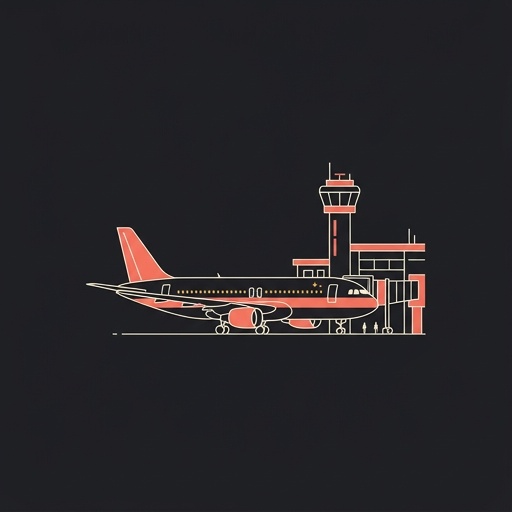
el aeropuerto
airport
noun
In a sentence
El vuelo sale del aeropuerto a las diez.
The flight leaves from the airport at ten.Use «aeropuerto» for the whole airport complex; the departure gate is «la puerta de embarque».
-

el vuelo
flight
noun
In a sentence
Nuestro vuelo sale a las diez de la mañana.
Our flight leaves at ten in the morning.Use «vuelo» for the act of flying or a specific scheduled flight, e.g. «el vuelo número 204».
-
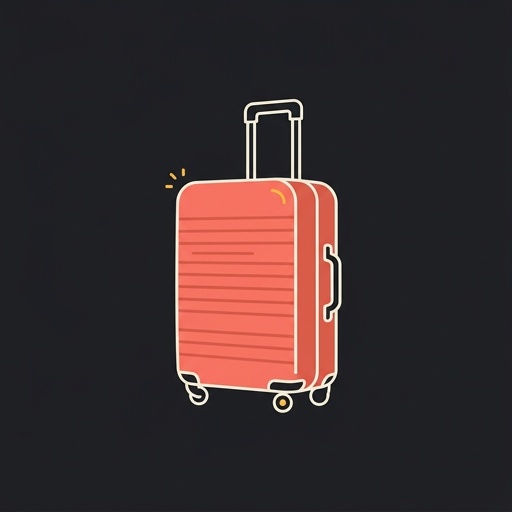
la maleta
suitcase
noun
In a sentence
Necesito hacer la maleta antes de salir al aeropuerto.
I need to pack my suitcase before leaving for the airport.The common collocation is «hacer la maleta» (to pack your suitcase) — a handy phrase for travel contexts.
-
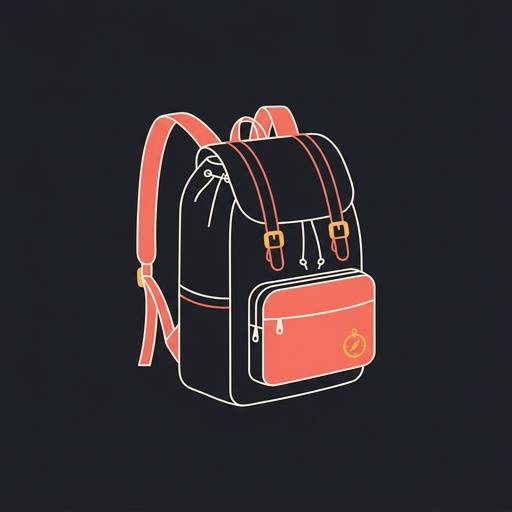
la mochila
backpack
noun
In a sentence
Pongo mi pasaporte en la mochila antes de salir.
I put my passport in the backpack before leaving.In travel contexts, «mochila» refers to any rucksack or backpack carried on your back — a key item for budget travellers and hikers.
-

el pasaporte
passport
noun
In a sentence
Necesito mi pasaporte para viajar al extranjero.
I need my passport to travel abroad.Always masculine in Spanish: «el pasaporte», never «la pasaporte».
-
el billete
ticket
noun
In a sentence
Necesito comprar un billete de tren para Madrid.
I need to buy a train ticket to Madrid.In Spain «billete» is used for transport tickets (train, bus, plane); in Latin America you may hear «tiquete» or «boleto» instead.
-

el hotel
hotel
noun
In a sentence
Nuestro hotel está muy cerca de la playa.
Our hotel is very close to the beach.In Spanish, «hotel» is masculine, so use «el hotel» and «un hotel».
-

la reserva
booking / reservation
noun
In a sentence
Hice una reserva en el hotel para dos noches.
I made a booking at the hotel for two nights.'Hacer una reserva' is the standard collocation — use it when booking a hotel, restaurant, or flight.
-
habitación doble
double room
expression
In a sentence
Quiero reservar una habitación doble para dos noches.
I want to book a double room for two nights.In Spanish hotels, always specify «habitación doble» when booking for two people; a «habitación individual» is a single room.
-

la playa
beach
noun
In a sentence
Vamos a la playa este verano.
We are going to the beach this summer.A common collocation is 'ir a la playa' (to go to the beach) — note that 'playa' is feminine, so use 'la'.
-
el mapa
map
noun
In a sentence
Necesito un mapa para encontrar el hotel.
I need a map to find the hotel.'Mapa' is masculine despite ending in -a — say «el mapa», not «la mapa».
-

la excursión
day trip / excursion
noun
In a sentence
Mañana hacemos una excursión a las montañas.
Tomorrow we are going on a day trip to the mountains.Often used for an organised group outing; say «hacer una excursión» for 'to go on a trip'.
-

el turista
tourist
noun
In a sentence
Hay muchos turistas en la plaza hoy.
There are many tourists in the square today.«turista» is the same form for both male and female — only the article changes: «el turista» (male) and «la turista» (female).
-
la guía
guide
noun
In a sentence
La guía nos lleva al museo.
The guide is taking us to the museum.«Guía» can mean both a person who leads tours and a travel guidebook — context makes it clear. It is gender-flexible: «el guía» for a male guide, «la guía» for a female guide or a guidebook.
-

el recuerdo
souvenir / memory
noun
In a sentence
Compré este recuerdo en el mercado de Barcelona.
I bought this souvenir at the market in Barcelona.In a travel context, «recuerdo» most often means a souvenir you buy on a trip, but it also means a fond memory of that trip.
-
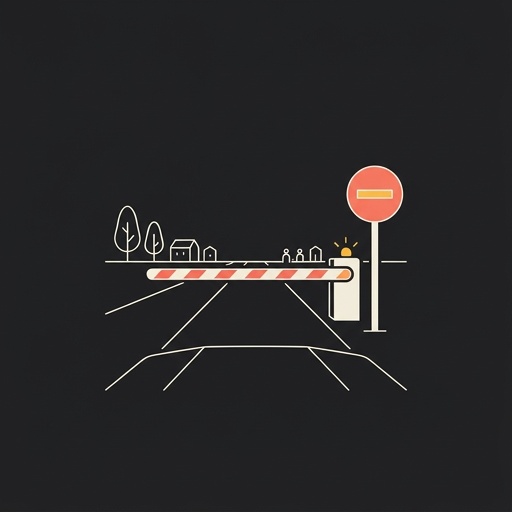
la frontera
border
noun
In a sentence
Cruzamos la frontera entre España y Francia por la mañana.
We crossed the border between Spain and France in the morning.Use «cruzar la frontera» for 'to cross the border' — a very common travel collocation.
-
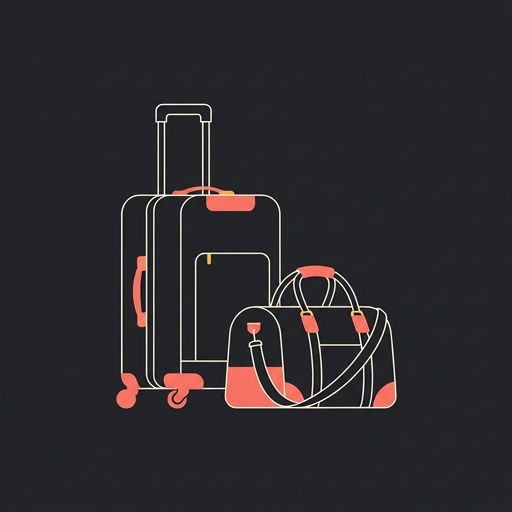
el equipaje
luggage
noun
In a sentence
Mi equipaje es muy pesado.
My luggage is very heavy.In Spanish, «equipaje» is usually uncountable, just like 'luggage' in English — say «mucho equipaje» (a lot of luggage), not a plural form.
-
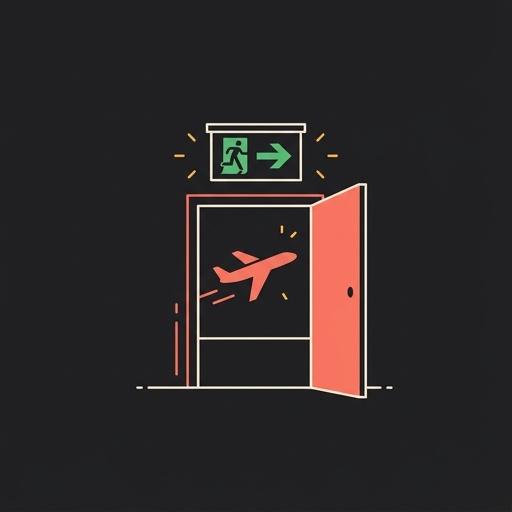
la salida
departure / exit
noun
In a sentence
La salida del vuelo es a las ocho de la mañana.
The flight departure is at eight in the morning.In travel contexts «salida» covers both the moment of leaving (departure) and the physical exit point — check context to know which is meant.
-
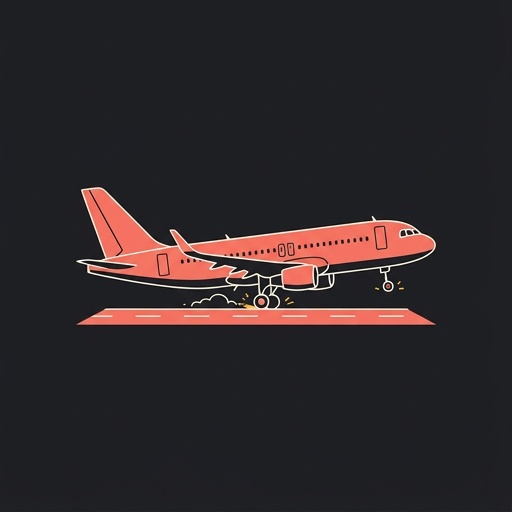
la llegada
arrival
noun
In a sentence
La llegada del vuelo es a las tres de la tarde.
The flight arrival is at three in the afternoon.Often seen on airport and train station boards as «Llegadas» (Arrivals). Pair it with «salida» (departure) to cover both directions of travel.
-

el retraso
delay
noun
In a sentence
El tren tiene un retraso de dos horas.
The train has a two-hour delay.A common collocation in travel contexts is «hay un retraso» (there is a delay) or «el vuelo tiene un retraso» (the flight has a delay).
-
alquilar
to rent
verb
In a sentence
Queremos alquilar un coche para las vacaciones.
We want to rent a car for the holidays.In travel contexts, «alquilar» covers renting a car, bike, or apartment — use it with «un coche», «una bici», or «un apartamento».
-
reservar
to book / to reserve
verb
In a sentence
Quiero reservar una habitación para dos noches.
I want to book a room for two nights.Both 'book' and 'reserve' work in English; in travel contexts 'book' is more common — e.g. «reservar una habitación» means 'to book a room'.
-
viajar
to travel
verb
In a sentence
Me gusta viajar en verano.
I like to travel in summer.Use «viajar» for travelling in general; pair it with «en» for the mode of transport, e.g. «viajar en tren».
-
perderse
to get lost
verb
In a sentence
Nos perdemos siempre en ciudades nuevas.
We always get lost in new cities.«Perderse» is reflexive in Spanish — always use it with the matching pronoun: «me pierdo», «te pierdes», «se pierde», etc.
-
visitar
to visit
verb
In a sentence
Queremos visitar el Coliseo cuando estemos en Roma.
We want to visit the Colosseum when we are in Rome.Commonly used with places: «visitar un museo», «visitar una ciudad». It refers to going somewhere as a tourist or guest.
-

volar
to fly
verb
In a sentence
Mañana volamos a Madrid.
Tomorrow we fly to Madrid.Use «volar» for aircraft, birds, or anything moving through the air; in travel contexts it most naturally refers to flying by plane.
-
facturar
to check in (luggage)
verb
In a sentence
Necesito facturar mi maleta antes de pasar el control.
I need to check in my suitcase before going through security.In a travel context, «facturar» specifically means to check in baggage at the airport counter, not to check in as a hotel guest (that is «registrarse»).
-
ida y vuelta
return ticket / round trip
expression
In a sentence
Quiero un billete de ida y vuelta a Madrid, por favor.
I want a return ticket to Madrid, please.In British English say «return ticket»; in American English say «round trip». Both refer to travel there and back.
-
buen viaje
have a good trip
expression
In a sentence
¡Buen viaje! Llámame cuando llegues.
Have a good trip! Call me when you arrive.Used as a farewell wish when someone is about to travel; equivalent to 'bon voyage' in English.
Seeing is step one.
Saying it is the game.
Add “Viajes y vacaciones” to your plan — pick, spell or speak each word, and Meloo brings it back right before you'd forget it.