

Ropa y colores
Clothes and colours
What you wear and what colour it is — shopping, packing, describing people.
Every word · tap to hear it
-

la camisa
shirt
noun
In a sentence
Me pongo la camisa blanca para el trabajo.
I put on the white shirt for work.Refers specifically to a button-up shirt; a T-shirt is «camiseta», not «camisa».
-
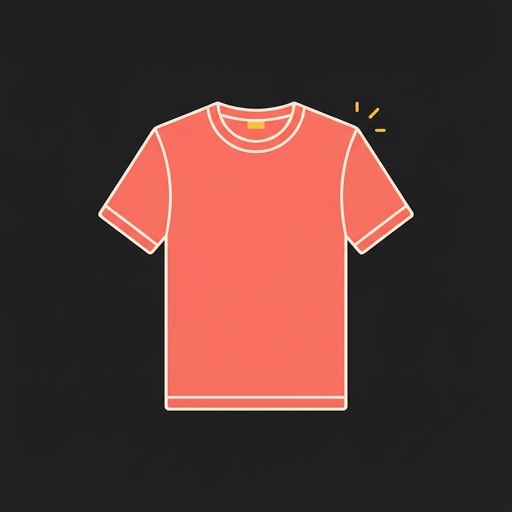
la camiseta
t-shirt
noun
In a sentence
Me pongo una camiseta blanca.
I put on a white t-shirt.In Spain «camiseta» covers both T-shirts and vest tops; context or an adjective like «sin mangas» clarifies the style.
-
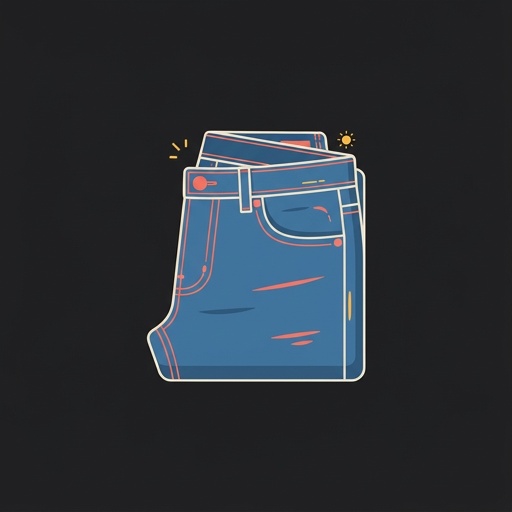
el pantalón
trousers / pants
noun
In a sentence
Me pongo el pantalón azul hoy.
I am putting on the blue trousers today.In Spanish, «pantalón» is usually singular even when referring to one pair; «pantalones» (plural) is equally common and means the same thing.
-
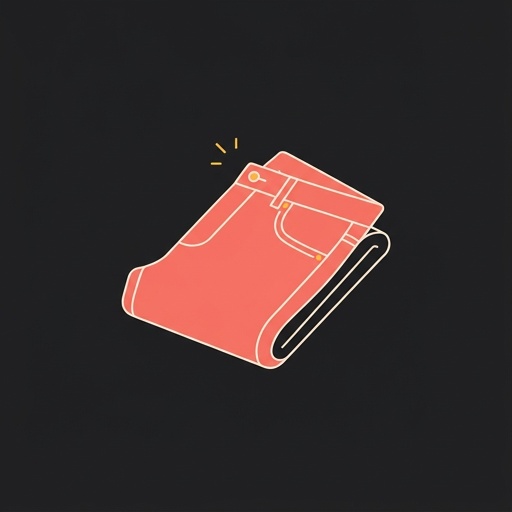
los vaqueros
jeans
noun
In a sentence
Mis vaqueros azules son muy cómodos.
My blue jeans are very comfortable.'Vaqueros' is plural in Spanish — always use it with a plural verb, just like 'jeans' in English.
-

la falda
skirt
noun
In a sentence
Me gusta mucho tu falda roja.
I really like your red skirt.«Falda» can also mean 'hillside' or 'lap', but in everyday clothing contexts it always means a skirt.
-
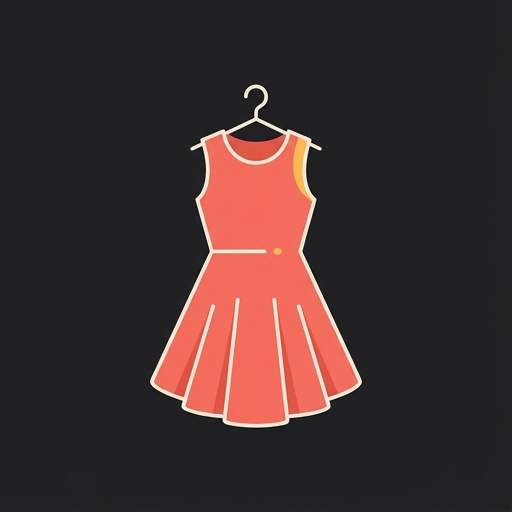
el vestido
dress
noun
In a sentence
Ella lleva un vestido azul muy bonito.
She is wearing a very pretty blue dress.«Vestido» is masculine in Spanish — say «el vestido rojo», not «la vestido».
-
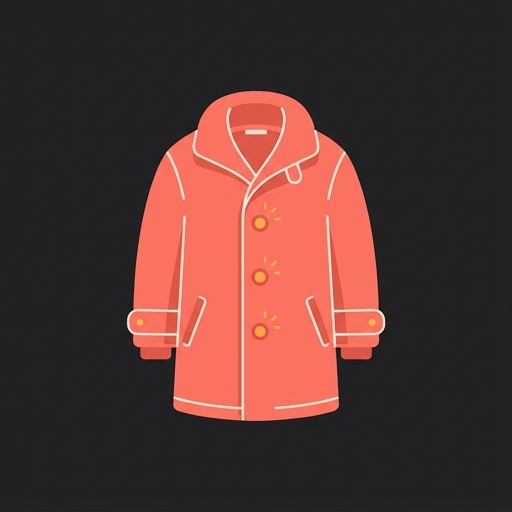
el abrigo
coat
noun
In a sentence
Necesito mi abrigo porque hace frío.
I need my coat because it is cold.«Abrigo» refers specifically to a heavy outer coat worn in cold weather, not a light jacket — that would be «chaqueta» or «cazadora».
-

la chaqueta
jacket
noun
In a sentence
Me pongo la chaqueta porque hace frío.
I put on my jacket because it is cold.«Chaqueta» refers to a light jacket or blazer; for a heavy winter coat, Spanish uses «abrigo» instead.
-
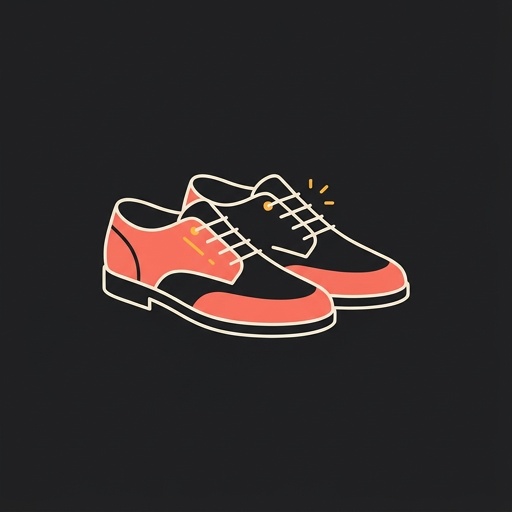
los zapatos
shoes
noun
In a sentence
Mis zapatos son marrones.
My shoes are brown.«Zapatos» refers to shoes in general; for trainers/sneakers Spanish speakers say «zapatillas».
-
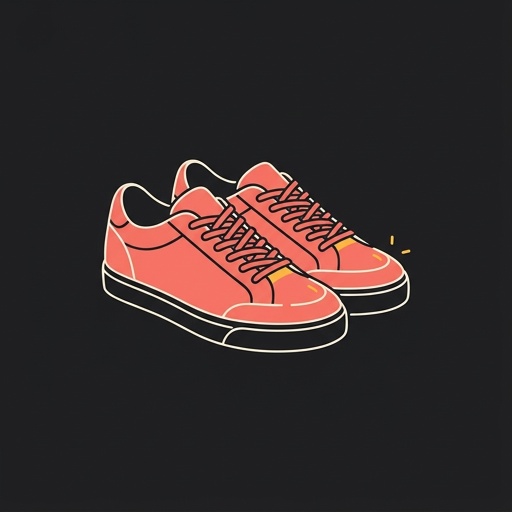
las zapatillas
trainers / sneakers
noun
In a sentence
Mis zapatillas nuevas son blancas y muy cómodas.
My new trainers are white and very comfortable.In Spain «zapatillas» usually means sports shoes or trainers; «zapatos» refers to formal shoes, so don't mix them up.
-
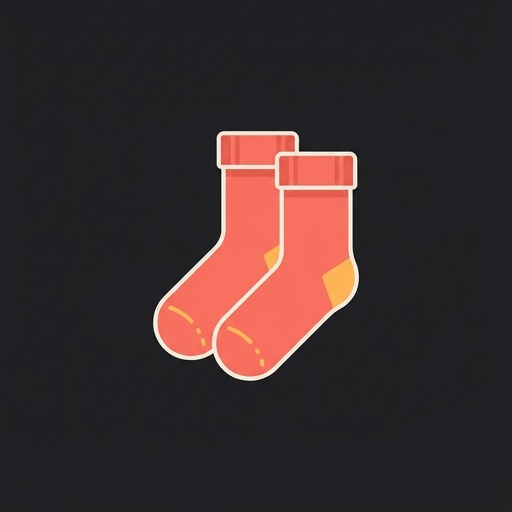
los calcetines
socks
noun
In a sentence
Mis calcetines son rojos.
My socks are red.«Calcetines» are ankle or knee-length socks; for tights or stockings Spanish uses «medias».
-

la gorra
cap
noun
In a sentence
Me pongo la gorra cuando hace sol.
I put on my cap when it is sunny.«Gorra» typically refers to a cap with a brim or visor; a beanie or woolly hat is usually called «gorro».
-

la bufanda
scarf
noun
In a sentence
Llevo una bufanda roja porque hace frío.
I am wearing a red scarf because it is cold.In Spanish, «bufanda» refers specifically to a neck scarf worn for warmth, not a decorative headscarf (that would be «pañuelo»).
-
la talla
size (clothing)
noun
In a sentence
¿Qué talla usas?
What size do you wear?Use «talla» specifically for clothing sizes; for shoe sizes, Spanish uses «número» instead.
-
rojo
red
adjective
In a sentence
Llevo una chaqueta roja hoy.
I am wearing a red jacket today.Like most Spanish adjectives, «rojo» agrees with the noun: «un jersey rojo» (m.) but «una camiseta roja» (f.).
-
azul
blue
adjective
In a sentence
Llevo una chaqueta azul hoy.
I am wearing a blue jacket today.Unlike many Spanish adjectives, «azul» does not change its ending for feminine nouns — «un jersey azul», «una camisa azul».
-
verde
green
adjective
In a sentence
Llevo una chaqueta verde hoy.
I am wearing a green jacket today.«Verde» must agree with the noun it describes: «un jersey verde», «una camiseta verde» — the form stays the same for masculine and feminine, only the plural changes to «verdes».
-
amarillo
yellow
adjective
In a sentence
Llevo una camiseta amarilla hoy.
I am wearing a yellow T-shirt today.Like most Spanish adjectives, «amarillo» agrees with the noun it describes: «un jersey amarillo» but «una camiseta amarilla».
-
negro
black
adjective
In a sentence
Llevo un abrigo negro.
I am wearing a black coat.In Spanish, colour adjectives agree with the noun: «un jersey negro» (m.) but «una chaqueta negra» (f.).
-
blanco
white
adjective
In a sentence
Llevo una camisa blanca hoy.
I am wearing a white shirt today.Like most Spanish adjectives, «blanco» changes ending to agree with the noun: «blanco» (m), «blanca» (f).
-
gris
grey
adjective
In a sentence
Llevo una chaqueta gris hoy.
I am wearing a grey jacket today.In Spanish, «gris» does not change form for masculine or feminine nouns — «un jersey gris», «una camisa gris».
-
marrón
brown
adjective
In a sentence
Llevo un abrigo marrón.
I am wearing a brown coat.Unlike most Spanish adjectives, «marrón» does not change for gender — say «un zapato marrón» and «una chaqueta marrón».
-
rosa
pink
adjective
In a sentence
Ella lleva una camiseta rosa.
She is wearing a pink T-shirt.«Rosa» is invariable as a color adjective — it does not change for gender or number: «un jersey rosa», «unas zapatillas rosa».
-

naranja
orange
adjective
In a sentence
Llevo una bufanda naranja.
I am wearing an orange scarf.Unlike most Spanish adjectives, «naranja» does not change its ending to agree with gender — you say «un jersey naranja» and «una camiseta naranja».
-

claro
light
adjective
In a sentence
Me gusta esta camiseta azul claro.
I like this light blue T-shirt.In Spanish, «claro» follows the noun it describes: «azul claro» means 'light blue', not 'clear blue'.
-
oscuro
dark
adjective
In a sentence
Me gusta esta camisa azul oscuro.
I like this dark blue shirt.Use «oscuro» after the colour it describes: «azul oscuro» (dark blue), «verde oscuro» (dark green).
-
probarse
to try on
verb
In a sentence
Quiero probarme esta camiseta.
I want to try on this T-shirt.Use the reflexive form: «me pruebo» (I try on), «te pruebas» (you try on) — the reflexive pronoun must match the subject.
-
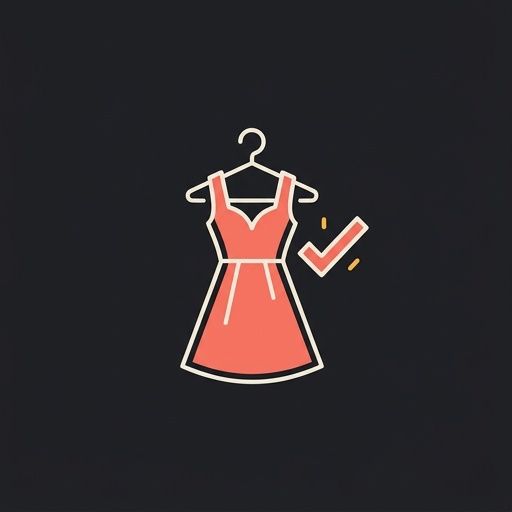
quedar bien
to fit well / to suit well
expression
In a sentence
Esa camiseta te queda muy bien.
That T-shirt suits you very well.Use «quedar bien» with an indirect object pronoun: 'Te queda bien' means 'It suits you well'.
-
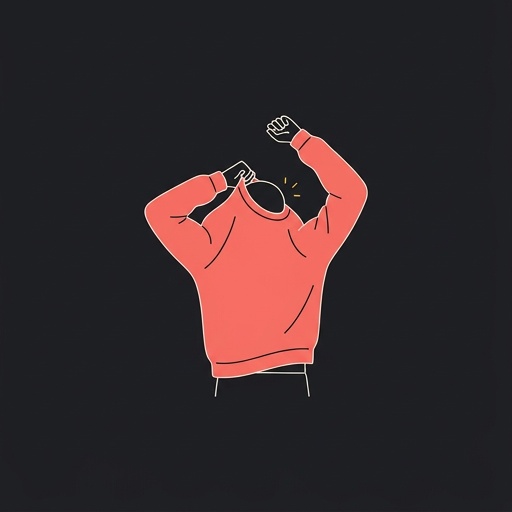
ponerse
to put on (clothes)
verb
In a sentence
Me pongo la chaqueta porque hace frío.
I put on my jacket because it is cold.«Ponerse» is reflexive — always use it with a reflexive pronoun: me pongo, te pones, se pone.
-
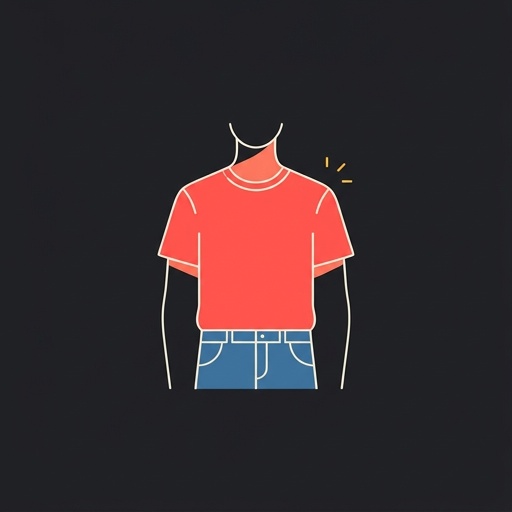
llevar
to wear
verb
In a sentence
Hoy llevo una camiseta azul.
Today I am wearing a blue T-shirt.«Llevar» is the go-to verb for wearing clothes or accessories; avoid confusing it with «vestir», which is more formal or used when dressing someone else.
Seeing is step one.
Saying it is the game.
Add “Ropa y colores” to your plan — pick, spell or speak each word, and Meloo brings it back right before you'd forget it.