
Números, días y horas
Numbers, days and times
Days of the week, parts of the day, weeks and months, and the little time words — today, yesterday, soon, late.
Every word · tap to hear it
-
el lunes
Monday
noun
In a sentence
El lunes tengo clase de español.
On Monday I have Spanish class.In Spanish, days of the week are not capitalised. Use «el lunes» for a specific Monday and «los lunes» to mean 'every Monday'.
-
el martes
Tuesday
noun
In a sentence
El martes tengo clase de español.
On Tuesday I have Spanish class.In Spanish, days of the week are not capitalised and are masculine: «el martes». The week traditionally starts on Monday in Spain and Latin America.
-
el miércoles
Wednesday
noun
In a sentence
El miércoles tengo clase de español.
On Wednesday I have Spanish class.In Spanish, days of the week are not capitalised. Use «el miércoles» for a specific Wednesday and «los miércoles» for every Wednesday.
-

el jueves
Thursday
noun
In a sentence
El jueves tengo clase de español.
On Thursday I have Spanish class.In Spanish, days of the week are not capitalised. To say something happens every Thursday, use «los jueves» (plural with the article).
-

el viernes
Friday
noun
In a sentence
El viernes tengo clase de español.
On Friday I have Spanish class.Days of the week in Spanish are masculine and not capitalised: «el viernes», not «El Viernes».
-
el sábado
Saturday
noun
In a sentence
El sábado voy al mercado con mi familia.
On Saturday I go to the market with my family.In Spanish-speaking countries, the week often starts on Monday, so Saturday is the sixth day on most calendars.
-

el domingo
Sunday
noun
In a sentence
El domingo voy a la iglesia con mi familia.
On Sunday I go to church with my family.In Spanish, days of the week are not capitalised: «domingo», not «Domingo».
-
la semana
week
noun
In a sentence
Esta semana tengo mucho trabajo.
This week I have a lot of work.A common collocation is «esta semana» (this week) or «la semana que viene» (next week).
-
el fin de semana
weekend
noun
In a sentence
Este fin de semana voy a la playa.
This weekend I am going to the beach.In Spanish, 'fin de semana' is masculine, so use «el» — say «el fin de semana» not «la fin de semana».
-
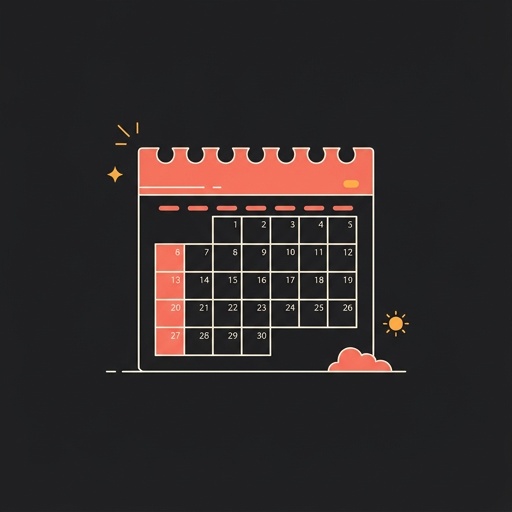
el mes
month
noun
In a sentence
Mi cumpleaños es este mes.
My birthday is this month.'El mes' is masculine — say 'un mes largo' (a long month), not 'una mes'.
-
el año
year
noun
In a sentence
Este año aprendo español.
This year I am learning Spanish.Use «año» for age too: «Tengo veinte años» means 'I am twenty years old'.
-

el día
day
noun
In a sentence
Hoy es un día bonito.
Today is a beautiful day.«día» is masculine despite ending in -a — say «el día», not «la día».
-
la hora
hour / time (of day)
noun
In a sentence
¿Qué hora es? Son las tres.
What time is it? It is three o'clock.Use «¿Qué hora es?» to ask what time it is — 'hora' covers both the concept of an hour and the idea of telling the time.
-
el minuto
minute
noun
In a sentence
Espera un minuto, por favor.
Wait a minute, please.The plural «minutos» is used in everyday time expressions like 'Son las tres y diez minutos' (It is ten minutes past three).
-

la mañana
morning / tomorrow
noun
In a sentence
Por la mañana tomo un café.
In the morning I have a coffee.«Mañana» as a noun means 'morning' (la mañana); as an adverb it means 'tomorrow'. Context tells them apart — look for the article «la» to spot the noun.
-
la tarde
afternoon / evening
noun
In a sentence
Buenas tardes, ¿cómo estás?
Good afternoon / evening, how are you?In Spanish, «la tarde» covers the period from noon until dark — what English splits into 'afternoon' and 'evening'.
-

la noche
night
noun
In a sentence
Esta noche hay luna llena.
Tonight there is a full moon.Use «buenas noches» to say good evening or good night — it covers both greetings and farewells after dark.
-
el mediodía
midday / noon
noun
In a sentence
Comemos juntos al mediodía.
We eat together at noon.«El mediodía» refers to 12:00 in the middle of the day; in Spanish-speaking countries it is also associated with the main meal of the day.
-
hoy
today
adverb
In a sentence
Hoy es lunes.
Today is Monday.«Hoy» is an adverb and never changes form; pair it with the present tense for current-day actions.
-
ayer
yesterday
adverb
In a sentence
Ayer fui al mercado.
Yesterday I went to the market.«Ayer» is always an adverb and never changes form; pair it with the preterite tense to talk about completed past actions.
-
temprano
early
adverb
In a sentence
Me despierto muy temprano por la mañana.
I wake up very early in the morning.«Temprano» is an adverb and does not change form — you can say «Llego temprano» for any subject.
-
pronto
soon
adverb
In a sentence
El tren llega pronto.
The train arrives soon.In English-speaking countries «pronto» is used informally to mean 'immediately', but in Spanish it primarily means 'soon' or 'early', not necessarily 'right now'.
-

primero
first
numeral
In a sentence
Hoy es el primero de enero.
Today is the first of January.Before a masculine singular noun, 'primero' shortens to 'primer': «el primer día» (the first day).
-

último
last
adjective
In a sentence
Hoy es el último día del mes.
Today is the last day of the month.«Último» agrees with the noun it describes: «el último día» (m.) but «la última hora» (f.).
-

el cumpleaños
birthday
noun
In a sentence
Hoy es mi cumpleaños.
Today is my birthday.«Cumpleaños» is the same in singular and plural — «el cumpleaños» and «los cumpleaños» look identical except for the article.
-
la fecha
date
noun
In a sentence
¿Cuál es la fecha de hoy?
What is today's date?In Spanish, dates are written day first, then month: «el 3 de mayo» (3 May). Don't confuse «fecha» with «cita» (appointment/date with a person).
-
cada
each / every
adjective
In a sentence
El tren sale cada hora.
The train leaves every hour.«cada» never changes form — it is the same before masculine and feminine nouns: «cada día», «cada hora».
-
¿qué hora es?
what time is it?
expression
In a sentence
Perdona, ¿qué hora es?
Excuse me, what time is it?This is the standard way to ask for the time in Spanish; you can also hear «¿qué hora tiene?» but «¿qué hora es?» is the most common form.
-
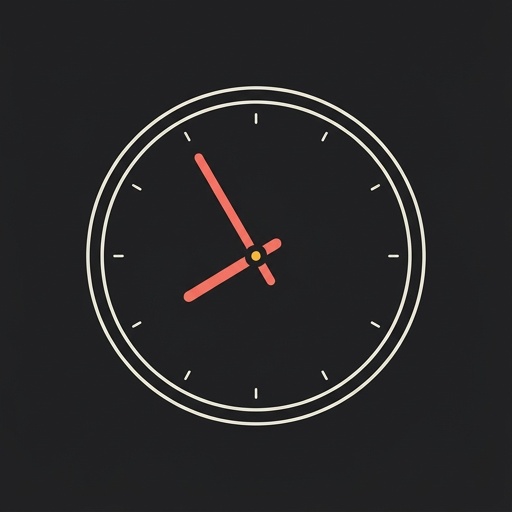
el reloj
clock / watch
noun
In a sentence
¿Qué hora marca el reloj?
What time does the clock show?Use «reloj de pared» for a wall clock and «reloj de pulsera» for a wristwatch — Spanish uses one word for both.
-

puntual
punctual / on time
adjective
In a sentence
El tren es puntual hoy.
The train is on time today.Use «puntual» after the verb «ser» to describe a person's general habit: 'Ella es muy puntual.'
Seeing is step one.
Saying it is the game.
Add “Números, días y horas” to your plan — pick, spell or speak each word, and Meloo brings it back right before you'd forget it.