
Naturaleza y animales
Nature and animals
Sea, mountains, sky and the animals everyone knows — words for the world outside.
Every word · tap to hear it
-

el perro
dog
noun
In a sentence
El perro juega en el parque.
The dog plays in the park.«Perro» is masculine; a female dog is «la perra».
-
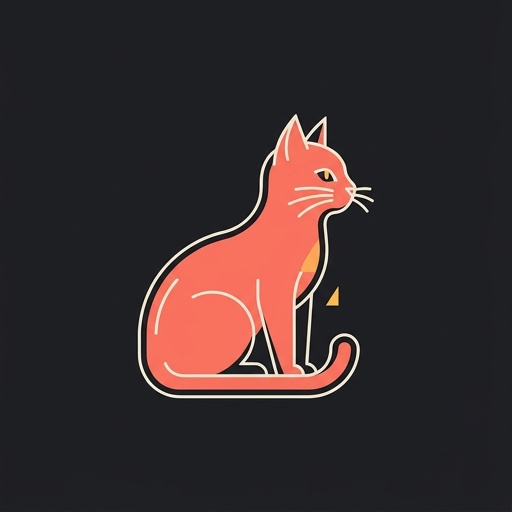
el gato
cat
noun
In a sentence
El gato duerme en el sofá.
The cat sleeps on the sofa.'Gato' refers to a male or generic cat; a female cat is specifically 'la gata'.
-
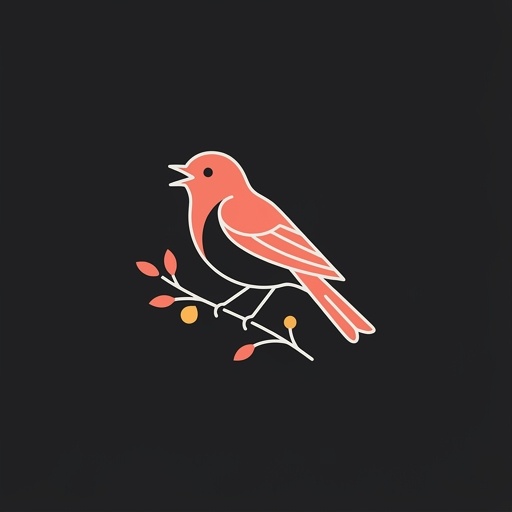
el pájaro
bird
noun
In a sentence
Hay un pájaro en el árbol.
There is a bird in the tree.«Pájaro» refers to a bird in general, but Spaniards also use «ave» (f.) in more formal or scientific contexts — both mean bird.
-
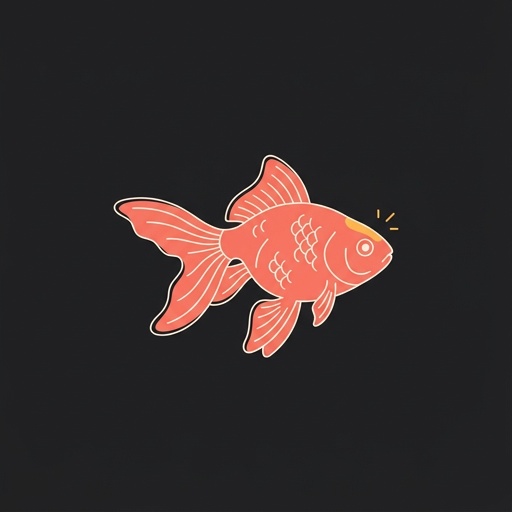
el pez
fish (live)
noun
In a sentence
Hay un pez rojo en la pecera.
There is a red fish in the fish tank.«Pez» means a living fish in water; once it is caught and on your plate, Spanish uses «pescado» instead.
-
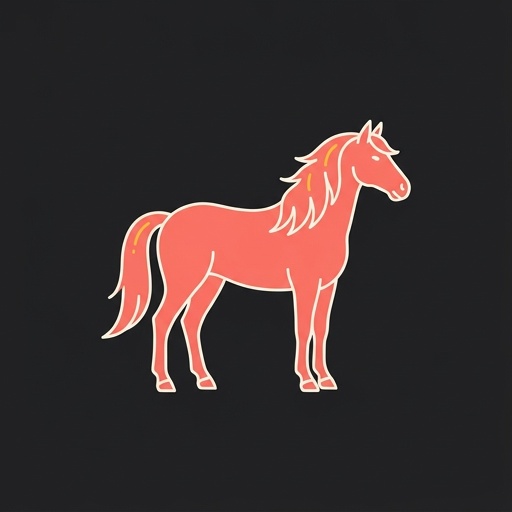
el caballo
horse
noun
In a sentence
El caballo corre por el campo.
The horse runs through the field.«Caballo» is masculine, so use «el» and «un»: «un caballo grande».
-
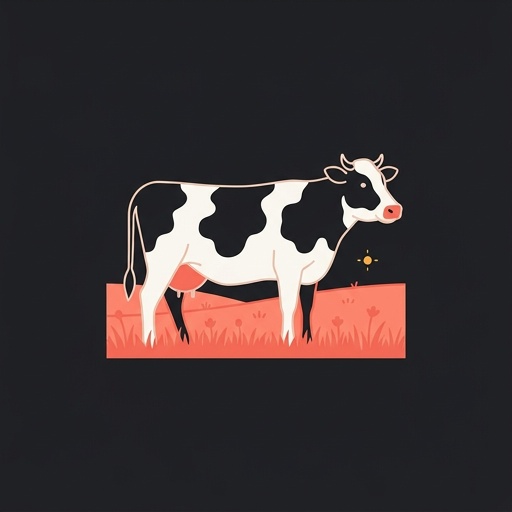
la vaca
cow
noun
In a sentence
La vaca come hierba en el campo.
The cow eats grass in the field.In Spanish, «vaca» refers specifically to the adult female; the general word for cattle is «ganado».
-
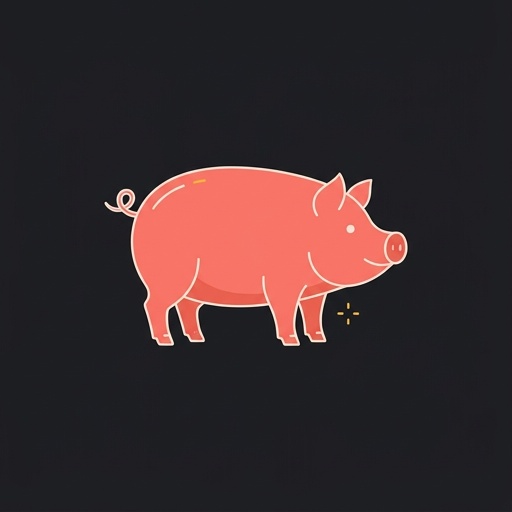
el cerdo
pig
noun
In a sentence
El cerdo vive en la granja.
The pig lives on the farm.«Cerdo» can also mean 'pork' as a food, but in this nature pack it refers to the live animal.
-
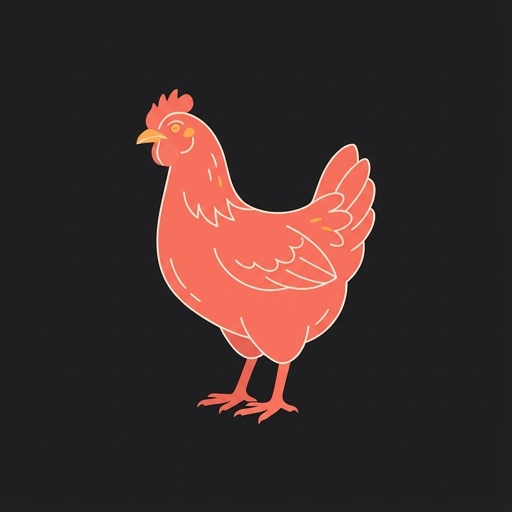
el pollo
chicken
noun
In a sentence
El pollo camina por el campo.
The chicken walks through the field.«Pollo» refers to the live bird; in a nature context it means the animal itself, not the meat.
-
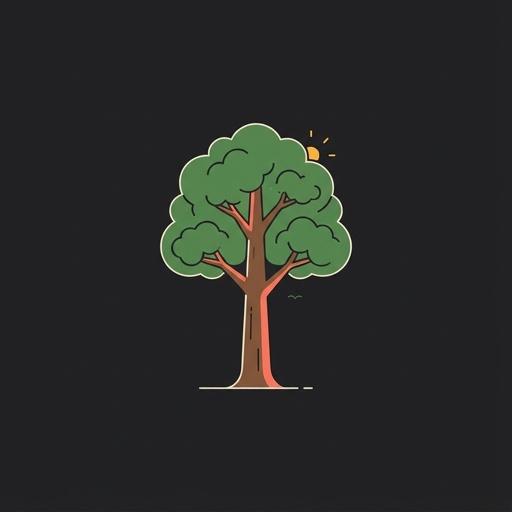
el árbol
tree
noun
In a sentence
Hay un árbol grande en el parque.
There is a big tree in the park.«Árbol» is masculine, so use «el árbol» and «un árbol».
-
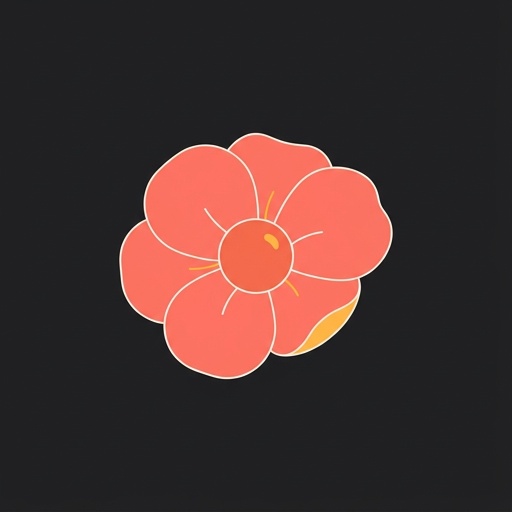
la flor
flower
noun
In a sentence
Esta flor es muy bonita.
This flower is very pretty.«La flor» is feminine, so use feminine adjectives: «una flor bonita» (a pretty flower).
-
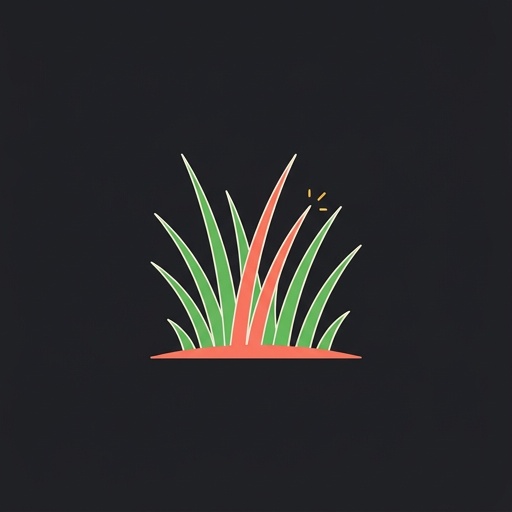
la hierba
grass
noun
In a sentence
La hierba del parque es muy verde.
The grass in the park is very green.«Hierba» refers to grass or any small plant; in a nature context it most often means the green grass covering the ground.
-
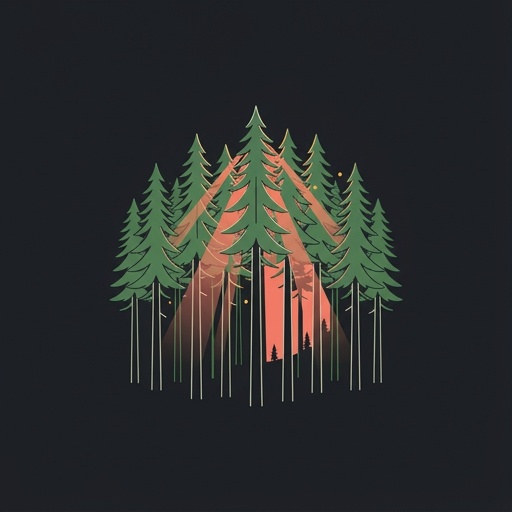
el bosque
forest
noun
In a sentence
Hay animales salvajes en el bosque.
There are wild animals in the forest.'Bosque' can refer to any woodland or forest, large or small — it covers both a small wood and a vast forest.
-
el campo
countryside / field
noun
In a sentence
Me gusta pasear por el campo.
I like walking through the countryside.«El campo» can mean the open countryside in general or a specific field; context makes it clear.
-
el mar
sea
noun
In a sentence
El mar está muy tranquilo hoy.
The sea is very calm today.«Mar» is usually masculine, but poets and sailors often use it as feminine — «la mar» — especially in set phrases like «a la mar».
-
la playa
beach
noun
In a sentence
Me gusta ir a la playa en verano.
I like going to the beach in summer.«La playa» refers specifically to a sandy or pebbly shore by the sea or a lake — a common holiday destination in Spanish-speaking countries.
-

el río
river
noun
In a sentence
El río es muy largo.
The river is very long.Use «el río» for any natural flowing body of water; don't confuse it with «el lago» (lake) or «el mar» (sea).
-
el lago
lake
noun
In a sentence
El lago es muy grande y bonito.
The lake is very big and beautiful.«Lago» is masculine, so use «el lago» and «un lago». Not to be confused with «laguna» (lagoon or small shallow lake).
-
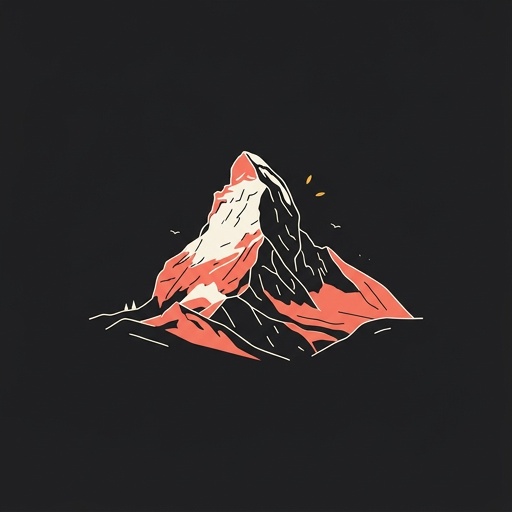
la montaña
mountain
noun
In a sentence
La montaña es muy alta.
The mountain is very tall.Use «la montaña» for the whole mountain or mountain area; «el monte» can also mean hill or woodland, so they are not always interchangeable.
-

la isla
island
noun
In a sentence
La isla es muy pequeña.
The island is very small.In Spanish, «isla» is feminine, so use «la isla», «una isla», and feminine adjectives with it.
-

el cielo
sky
noun
In a sentence
El cielo está muy azul hoy.
The sky is very blue today.In Spanish «cielo» also means 'heaven', but in nature contexts it simply means the sky above.
-
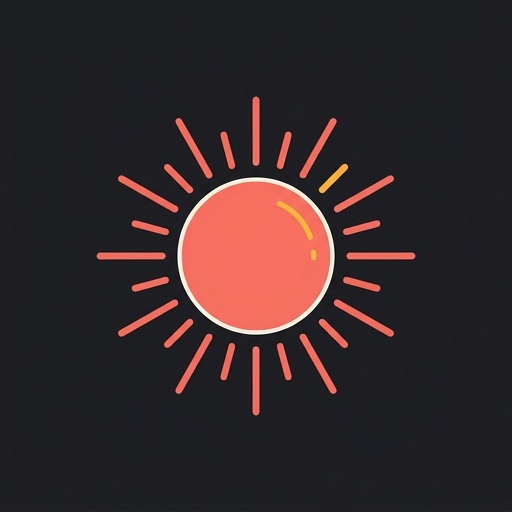
el sol
sun
noun
In a sentence
El sol brilla hoy.
The sun is shining today.«El sol» is masculine in Spanish — remember to use masculine adjectives with it, e.g. 'el sol es brillante'.
-

la luna
moon
noun
In a sentence
La luna está muy brillante esta noche.
The moon is very bright tonight.«La luna» is feminine in Spanish — always use feminine adjectives with it, e.g. «la luna llena» (the full moon).
-
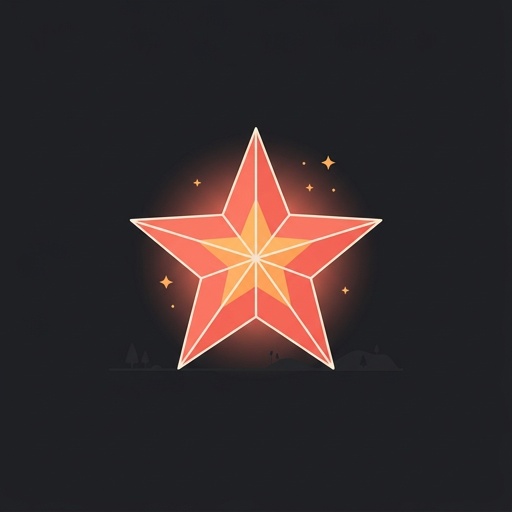
la estrella
star
noun
In a sentence
El cielo tiene muchas estrellas esta noche.
The sky has many stars tonight.In Spanish, «estrella» refers to a natural star in the sky; it is feminine, so always use «la estrella».
-

la piedra
stone
noun
In a sentence
Hay una piedra grande en el río.
There is a big stone in the river.'Piedra' can refer to a small stone or a larger rock; in nature contexts it covers both.
-

la tierra
earth / soil / land
noun
In a sentence
La tierra del jardín es muy fértil.
The soil in the garden is very fertile.'Tierra' covers earth as ground underfoot, soil for planting, and land as territory — context makes the meaning clear.
-

el aire
air
noun
In a sentence
El aire está fresco hoy.
The air is fresh today.'El aire' can also mean 'wind' in everyday speech, e.g. 'Hace aire' means 'It is windy'.
-

el fuego
fire
noun
In a sentence
El fuego del bosque es muy peligroso.
The forest fire is very dangerous.«Fuego» refers to fire as a natural phenomenon; in everyday speech you might say «hacer fuego» (to make a fire) or «prender fuego» (to set fire to something).
-
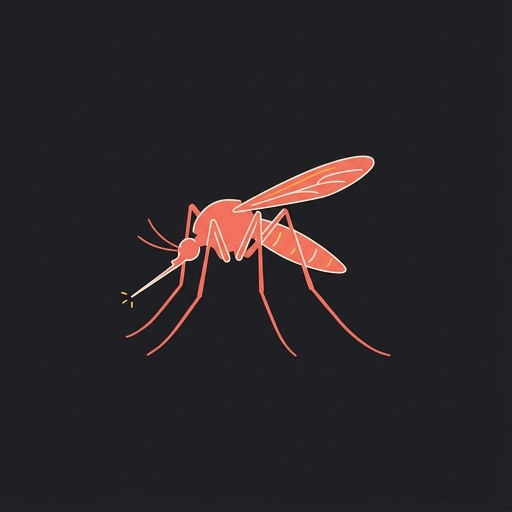
el mosquito
mosquito
noun
In a sentence
El mosquito me picó en el brazo.
The mosquito bit me on the arm.In Spanish «mosquito» is masculine; say «el mosquito». The word looks identical to English but remember the Spanish pronunciation: mos-KEE-toh.
-
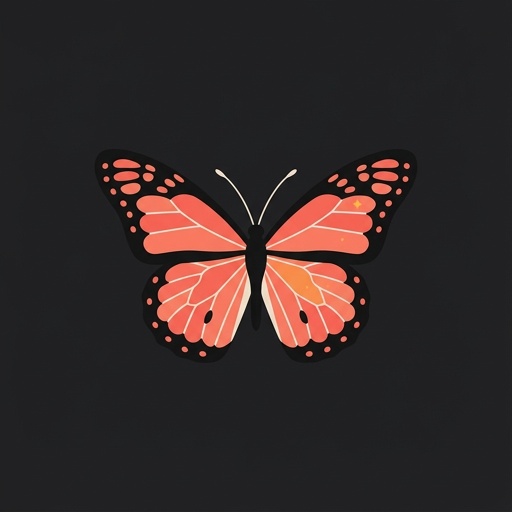
la mariposa
butterfly
noun
In a sentence
Hay una mariposa en el jardín.
There is a butterfly in the garden.«Mariposa» is feminine, so use feminine adjectives: 'una mariposa bonita'.
-
la naturaleza
nature
noun
In a sentence
Me encanta la naturaleza.
I love nature.'La naturaleza' refers to the natural world — plants, animals, landscapes. A common collocation is 'la naturaleza salvaje' (wild nature).
Seeing is step one.
Saying it is the game.
Add “Naturaleza y animales” to your plan — pick, spell or speak each word, and Meloo brings it back right before you'd forget it.