

Mi día a día
My daily routine
The verbs of an ordinary day — getting up, eating, working, coming home, going to bed.
Every word · tap to hear it
-

despertarse
to wake up
verb
In a sentence
Me despierto a las siete de la mañana.
I wake up at seven in the morning.«Despertarse» is reflexive — always use it with a matching pronoun: me despierto, te despiertas, se despierta.
-

levantarse
to get up
verb
In a sentence
Me levanto a las siete de la mañana.
I get up at seven in the morning.«Levantarse» is a reflexive verb — always use it with a reflexive pronoun: «me levanto», «te levantas», «se levanta».
-

ducharse
to take a shower
verb
In a sentence
Me ducho todas las mañanas antes del desayuno.
I take a shower every morning before breakfast.'Ducharse' is a reflexive verb — always use it with a reflexive pronoun: «me ducho», «te duchas», «se ducha».
-

vestirse
to get dressed
verb
In a sentence
Me visto rápido por las mañanas.
I get dressed quickly in the mornings.«Vestirse» is a reflexive verb — always use it with a reflexive pronoun: «me visto», «te vistes», «se viste», etc.
-

desayunar
to have breakfast
verb
In a sentence
Cada mañana desayuno tostadas con mantequilla.
Every morning I have toast with butter for breakfast.Use «desayunar» as a simple verb: 'Desayuno a las ocho' means 'I have breakfast at eight' — no extra preposition needed.
-
salir
to go out / to leave
verb
In a sentence
Salgo de casa todos los días a las ocho.
I leave the house every day at eight.Use «salir de» to say you are leaving a place: 'Salgo de casa a las ocho.'
-

trabajar
to work
verb
In a sentence
Yo trabajo todos los días.
I work every day.«Trabajar» refers to doing work or having a job — use it with «en» for a workplace: «Trabajo en una oficina».
-

estudiar
to study
verb
In a sentence
Estudio español todos los días.
I study Spanish every day.Use «estudiar» for studying a subject or for school in general, e.g. «estudiar español» or «estudiar en la universidad».
-

comer
to eat / to have lunch
verb
In a sentence
¿A qué hora comes normalmente?
What time do you normally eat / have lunch?In Spain and Latin America, «comer» often refers specifically to the main midday meal, so 'I'm going to eat' can mean 'I'm going to have lunch'.
-

descansar
to rest
verb
In a sentence
Necesito descansar después del trabajo.
I need to rest after work.Often used after physical or mental effort — a common collocation is «descansar un poco» (to rest a little).
-
volver
to come back / to return
verb
In a sentence
Vuelvo a casa después del trabajo.
I come back home after work.Use «volver a» + infinitive to mean 'to do something again', e.g. «volver a llamar» means 'to call again', not just 'to return'.
-
cocinar
to cook
verb
In a sentence
Me gusta cocinar para mi familia.
I like to cook for my family.Use «cocinar» for the general activity of cooking; «hacer la comida» is a common everyday alternative meaning the same thing.
-

cenar
to have dinner
verb
In a sentence
Cenamos juntos todos los viernes.
We have dinner together every Friday.Use «cenar» for the evening meal; in Spain dinner is often eaten late, around 9–10 pm.
-

limpiar
to clean
verb
In a sentence
Voy a limpiar la cocina esta tarde.
I am going to clean the kitchen this afternoon.A common collocation is «limpiar la casa» (to clean the house) — use it for wiping, scrubbing, or tidying surfaces.
-

lavar
to wash
verb
In a sentence
Lavo los platos después de comer.
I wash the dishes after eating.Use «lavar» for washing objects like dishes or clothes; for washing your own body or hair, Spanish uses the reflexive form «lavarse».
-

comprar
to buy / to do the shopping
verb
In a sentence
Voy a comprar leche y pan en el supermercado.
I am going to buy milk and bread at the supermarket.'Comprar' covers both buying a single item and doing a general shopping trip — context makes it clear.
-

leer
to read
verb
In a sentence
Me gusta leer un libro antes de dormir.
I like to read a book before going to sleep.Use «leer» for reading anything — books, messages, signs. It is a regular -er verb except in the third-person preterite: 'leyó', 'leyeron'.
-
escuchar
to listen to
verb
In a sentence
Me gusta escuchar música por la mañana.
I like to listen to music in the morning.In Spanish, «escuchar música» already means 'to listen to music' — no extra preposition is needed after the verb.
-
ver
to watch
verb
In a sentence
Esta noche veo una serie en la tele.
Tonight I watch a series on TV.In Spanish, «ver» covers both 'watch' and 'see'; for TV or series, «ver» is the natural everyday choice, not «mirar».
-

caminar
to walk
verb
In a sentence
Camino al trabajo todos los días.
I walk to work every day.Use «caminar» for walking in general; «andar» is a common synonym but «caminar» sounds more deliberate, like going somewhere on foot.
-

conducir
to drive
verb
In a sentence
Mi padre conduce al trabajo todos los días.
My father drives to work every day.Use «conducir» for driving a vehicle; in Latin America «manejar» is more common, but «conducir» is standard in Spain.
-

llamar
to call
verb
In a sentence
Voy a llamar a mi madre esta tarde.
I am going to call my mother this afternoon.In Spanish, «llamar por teléfono» makes the phone sense explicit, but «llamar» alone is widely understood to mean a phone call in context.
-

esperar
to wait
verb
In a sentence
Espero el autobús cada mañana.
I wait for the bus every morning.«Esperar» also means 'to hope' or 'to expect', but in everyday situations like queuing or waiting for transport it simply means 'to wait'.
-
llegar
to arrive
verb
In a sentence
El tren llega a las ocho.
The train arrives at eight.Use «llegar a» before a place: 'Llego a casa' means 'I arrive home' — don't drop the «a».
-
empezar
to start / to begin
verb
In a sentence
Empiezo el día con un café.
I start the day with a coffee.Both 'start' and 'begin' are equally natural translations; use «empezar a + infinitive» to say you start doing something, e.g. «empezar a trabajar».
-

terminar
to finish
verb
In a sentence
Termino el trabajo a las cinco.
I finish work at five.«Terminar» and «acabar» are often interchangeable for finishing tasks; both are common in everyday speech.
-
madrugar
to get up very early
verb
In a sentence
Mañana tengo que madrugar para coger el tren.
Tomorrow I have to get up very early to catch the train.«Madrugar» specifically implies waking at an unusually early hour, not just getting up in the morning — use it when the earliness is the point.
-

acostarse
to go to bed
verb
In a sentence
Me acuesto a las diez de la noche.
I go to bed at ten o'clock at night.«Acostarse» is reflexive — always use it with the matching pronoun: me acuesto, te acuestas, se acuesta.
-

dormir
to sleep
verb
In a sentence
Duermo ocho horas cada noche.
I sleep eight hours every night.Use «dormir» for sleeping in general; the phrase «dormir bien» (to sleep well) is a very common everyday collocation.
-
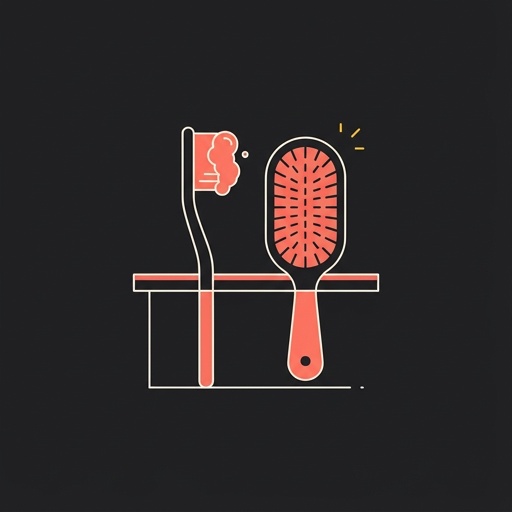
cepillarse
to brush (one's teeth / hair)
verb
In a sentence
Me cepillo los dientes después de cada comida.
I brush my teeth after every meal.«Cepillarse» is a reflexive verb — always use it with a reflexive pronoun: «me cepillo», «te cepillas», «se cepilla», etc.
Seeing is step one.
Saying it is the game.
Add “Mi día a día” to your plan — pick, spell or speak each word, and Meloo brings it back right before you'd forget it.