
La familia y la gente
Family and people
Family members and the people in your life — how to say who is who.
Every word · tap to hear it
-
la madre
mother
noun
In a sentence
Mi madre se llama Ana.
My mother's name is Ana.The plural «madres» covers both mothers or a mixed group of mothers and fathers in some contexts, but in everyday speech it simply means 'mothers'.
-
el padre
father
noun
In a sentence
Mi padre trabaja mucho.
My father works a lot.«Padre» can also mean 'priest' in some contexts, but in family vocabulary it simply means father.
-
los padres
parents
noun
In a sentence
Mis padres se llaman Ana y Carlos.
My parents are called Ana and Carlos.«Padres» literally means 'fathers' in the plural, but in everyday Spanish it refers to both parents together — mother and father.
-
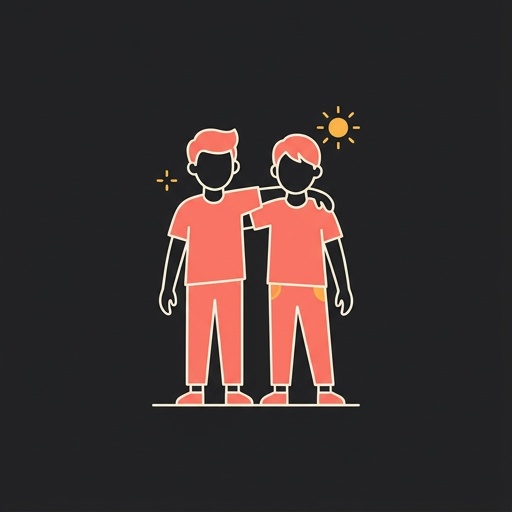
el hermano
brother
noun
In a sentence
Mi hermano se llama Carlos.
My brother's name is Carlos.In Spanish, «hermano» can also be used informally among close friends, similar to 'bro' in English.
-

la hermana
sister
noun
In a sentence
Mi hermana se llama Lucía.
My sister is called Lucía.In Spanish, «hermana» is feminine; the masculine form is «hermano» (brother), and the plural «hermanos» can refer to siblings of mixed gender.
-

el hijo
son
noun
In a sentence
Mi hijo tiene cinco años.
My son is five years old.«hijo» can also mean 'child' in a general sense, but in this pack it refers specifically to a male child in relation to his parents.
-
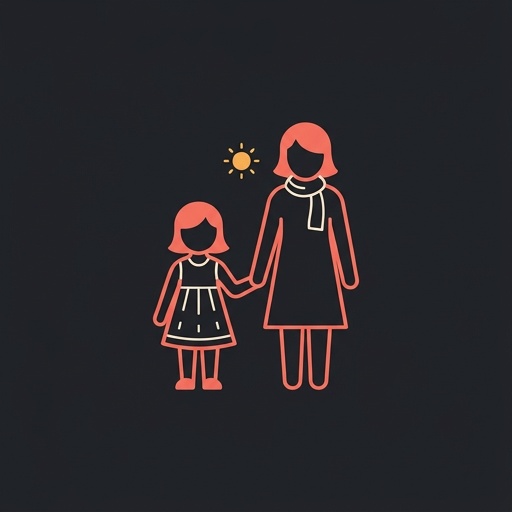
la hija
daughter
noun
In a sentence
Mi hija tiene cinco años.
My daughter is five years old.In Spanish, «hija» can also be used as a warm term of address for a young woman, similar to 'dear' or 'honey'.
-

el abuelo
grandfather
noun
In a sentence
Mi abuelo tiene setenta años.
My grandfather is seventy years old.In Spanish, «abuelo» can also be used as a warm, informal address for any elderly man, similar to calling someone 'grandpa'.
-
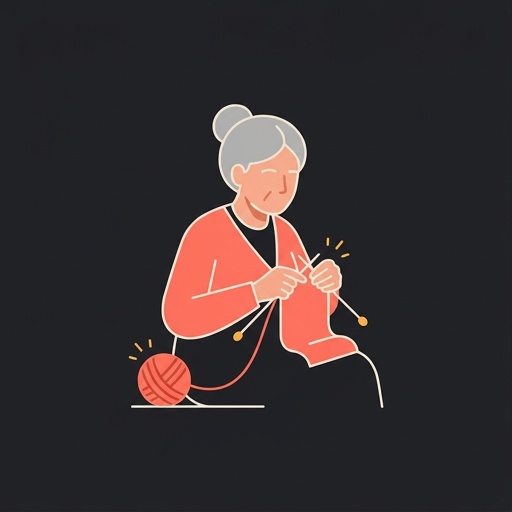
la abuela
grandmother
noun
In a sentence
Mi abuela hace una tarta deliciosa.
My grandmother makes a delicious cake.The affectionate short form «abuela» is often shortened further to «yaya» in some Spanish regions.
-
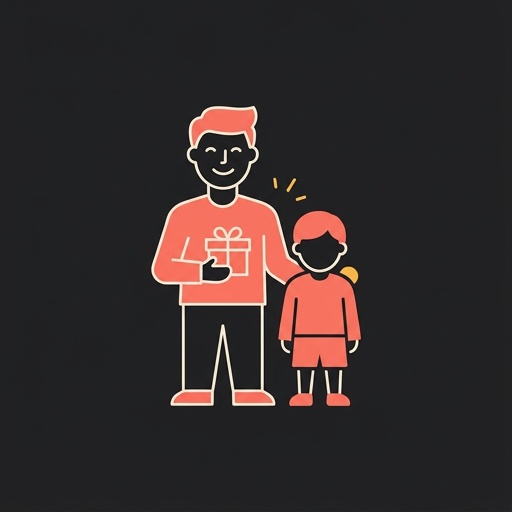
el tío
uncle
noun
In a sentence
Mi tío vive en Madrid.
My uncle lives in Madrid.The feminine form is «tía» (aunt); in informal Spanish «tío» also means 'guy' or 'dude', but in family contexts it always means uncle.
-

la tía
aunt
noun
In a sentence
Mi tía vive en Madrid.
My aunt lives in Madrid.In informal Spanish, «tía» also means 'woman' or 'girl' as slang, but in family contexts it always means aunt.
-

el primo
cousin (male)
noun
In a sentence
Mi primo se llama Carlos.
My cousin is called Carlos.Use «primo» for a male cousin and «prima» for a female cousin — Spanish marks gender on the word itself.
-
el sobrino
nephew
noun
In a sentence
Mi sobrino tiene cinco años.
My nephew is five years old.«sobrino» refers to a male nephew; the female equivalent is «sobrina» (niece).
-

el marido
husband
noun
In a sentence
Mi marido se llama Carlos.
My husband's name is Carlos.'Marido' is the everyday word for a married male partner; 'esposo' is a close synonym but slightly more formal.
-

la mujer
woman / wife
noun
In a sentence
Mi mujer se llama Ana.
My wife is called Ana.Context usually makes the meaning clear: «mi mujer» means 'my wife', while «una mujer» means 'a woman'.
-

la pareja
partner / couple
noun
In a sentence
Mi pareja y yo vivimos juntos.
My partner and I live together.«Pareja» can mean one person (your partner) or both people together (the couple) — context makes it clear.
-

el novio
boyfriend
noun
In a sentence
Mi novio se llama Carlos.
My boyfriend is called Carlos.«Novio» can also mean 'fiancé' or 'groom' depending on context, so listen for clues about how serious the relationship is.
-

la novia
girlfriend
noun
In a sentence
Ella es mi novia.
She is my girlfriend.«Novia» can also mean 'fiancée' or 'bride' depending on context, so listen for clues like «boda» (wedding).
-

el amigo
friend
noun
In a sentence
Él es mi mejor amigo.
He is my best friend.In Spanish, «amigo» is masculine; the feminine form is «amiga». Use «amigos» for a mixed-gender group.
-

la vecina
neighbour (female)
noun
In a sentence
Mi vecina me presta azúcar a veces.
My neighbour sometimes lends me sugar.Spanish marks gender on this word: «vecina» is female, «vecino» is male — always check which form fits the person you mean.
-

el jefe
boss
noun
In a sentence
Mi jefe trabaja mucho.
My boss works a lot.«jefe» can refer to a male boss; the female form is «jefa» — don't forget to change the article to «la jefa» for a woman.
-

el niño
child / boy
noun
In a sentence
El niño juega en el parque.
The boy is playing in the park.«Niño» refers to a male child; the female form is «niña». In the plural, «niños» can mean 'children' of mixed or unknown gender.
-

el bebé
baby
noun
In a sentence
El bebé duerme en la cuna.
The baby is sleeping in the crib.«Bebé» is gender-neutral in Spanish — use «el bebé» for a boy and «la bebé» for a girl, though «el bebé» is the default form.
-

joven
young
adjective
In a sentence
Mi hermana es muy joven.
My sister is very young.'Joven' stays the same for masculine and feminine: 'un chico joven', 'una chica joven'.
-
mayor
older / elderly
adjective
In a sentence
Mi abuelo es muy mayor.
My grandfather is very old.«Mayor» means older or elderly in family contexts — do not confuse it with the English word 'mayor' (a city leader), which in Spanish is «alcalde».
-

casado
married
adjective
In a sentence
Mi hermano está casado con Ana.
My brother is married to Ana.The adjective agrees with gender: «casado» for a man, «casada» for a woman.
-

soltero
single, unmarried
adjective
In a sentence
Mi hermano es soltero y vive solo.
My brother is single and lives alone.«Soltero» agrees with gender: use «soltera» for a woman — e.g. 'Ella es soltera.'
-

la gente
people
noun
In a sentence
Hay mucha gente en el parque.
There are a lot of people in the park.'Gente' is singular in Spanish — say «mucha gente» (a lot of people), not «muchas gentes».
-

conocer
to meet / to know (a person)
verb
In a sentence
Quiero conocer a tus padres.
I want to meet your parents.Use «conocer» for knowing or meeting people, not for knowing facts — that is «saber». 'Mucho gusto en conocerte' means 'Nice to meet you'.
-
parecerse
to look like / to resemble
verb
In a sentence
Me parezco mucho a mi padre.
I look a lot like my father.«Parecerse» is reflexive and usually followed by «a»: say «Me parezco a mi madre», not «Me parezco mi madre».
Seeing is step one.
Saying it is the game.
Add “La familia y la gente” to your plan — pick, spell or speak each word, and Meloo brings it back right before you'd forget it.