
En casa
At home
Rooms and everyday objects around the house — the words you point at every day.
Every word · tap to hear it
-
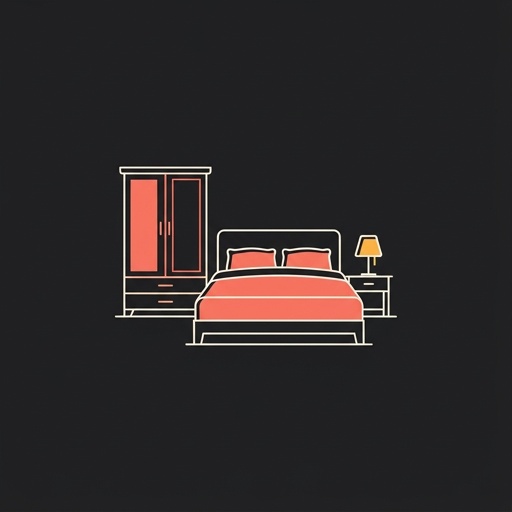
la habitación
room / bedroom
noun
In a sentence
Mi habitación tiene una cama grande.
My bedroom has a big bed.In a home context, «habitación» usually means a bedroom specifically; for a generic room use «habitación» or «cuarto».
-
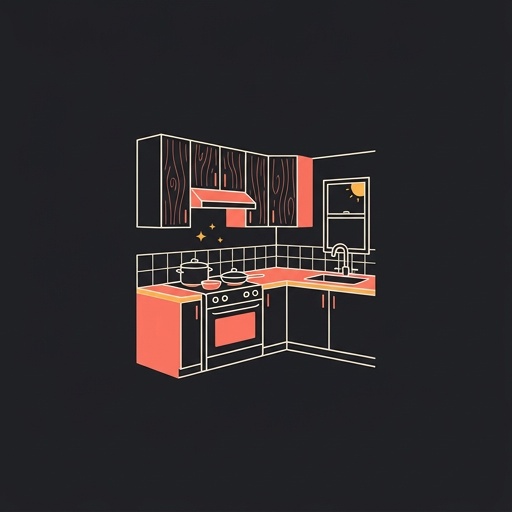
la cocina
kitchen
noun
In a sentence
La cocina está al lado del salón.
The kitchen is next to the living room.«La cocina» can also mean 'cuisine' or 'cooking style', but in a home context it nearly always means the room.
-
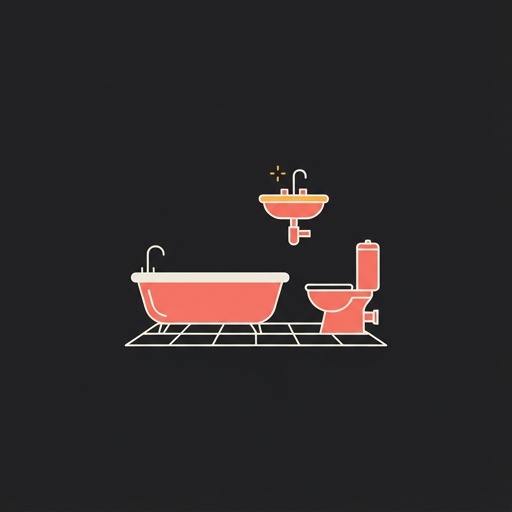
el baño
bathroom
noun
In a sentence
El baño está al final del pasillo.
The bathroom is at the end of the hallway.In Spain, «el baño» refers to the full bathroom including the toilet; asking for «el baño» is the natural way to ask for the restroom.
-
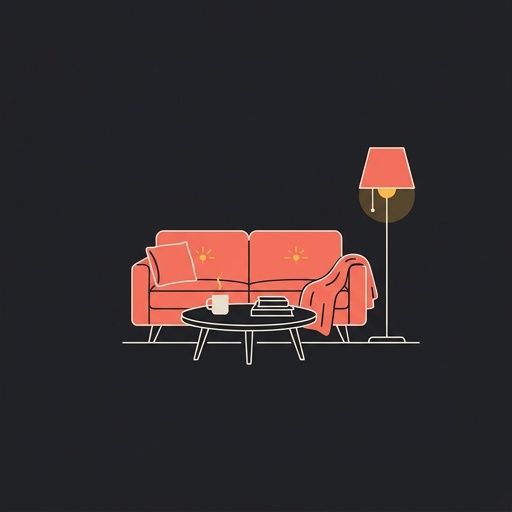
el salón
living room
noun
In a sentence
La televisión está en el salón.
The television is in the living room.In Spanish homes «el salón» is the main communal room; you may also hear «la sala de estar» for the same space.
-
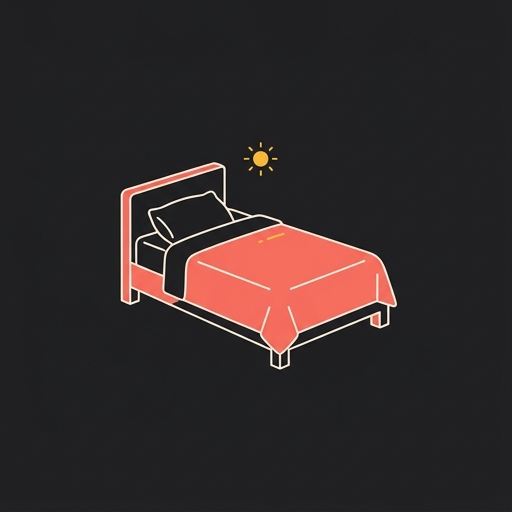
la cama
bed
noun
In a sentence
Me voy a la cama. Estoy muy cansado.
I'm going to bed. I'm very tired.Use «hacer la cama» for 'to make the bed' — a handy everyday collocation.
-
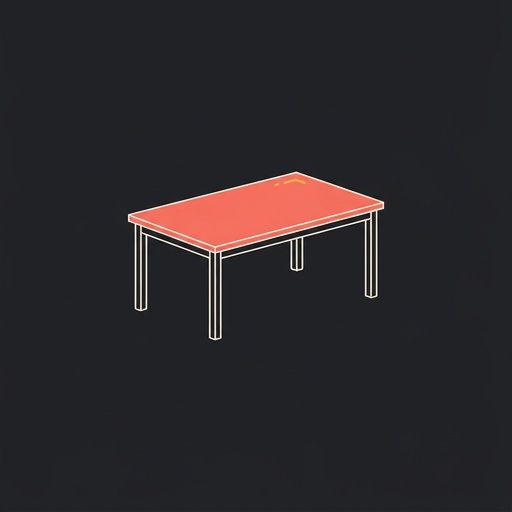
la mesa
table
noun
In a sentence
La mesa está en el comedor.
The table is in the dining room.'Mesa' refers to a piece of furniture; don't confuse it with 'tabla' (a flat board or plank).
-
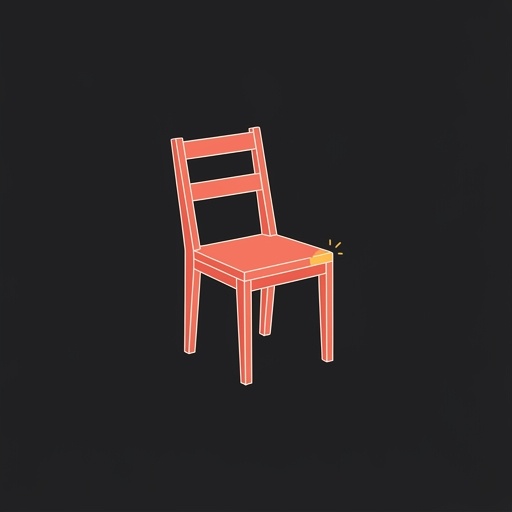
la silla
chair
noun
In a sentence
La silla está en la cocina.
The chair is in the kitchen.Use «silla» for a regular chair with a back; a sofa is «sofá» and an armchair is «sillón».
-
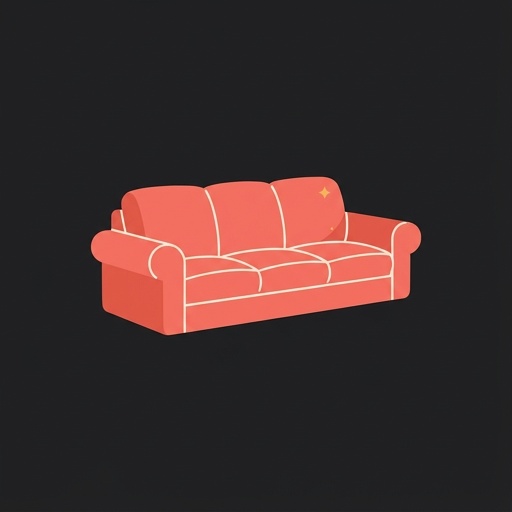
el sofá
sofa / couch
noun
In a sentence
El sofá es muy cómodo.
The sofa is very comfortable.«El sofá» is masculine, so use «el» and pair it with masculine adjectives: «el sofá cómodo».
-
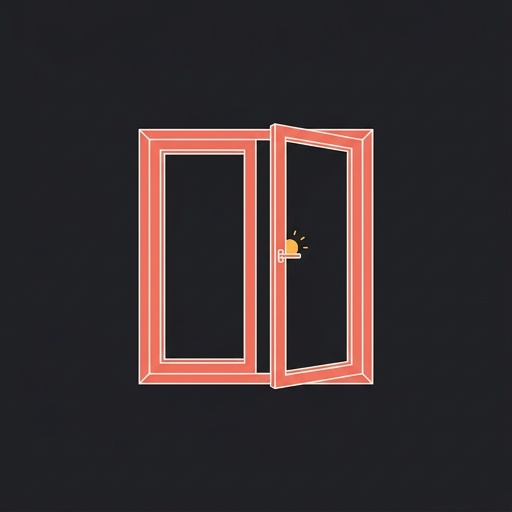
la ventana
window
noun
In a sentence
La ventana está abierta.
The window is open.Use «ventana» for a physical window in a wall; a computer window is also «ventana» in Spanish.
-
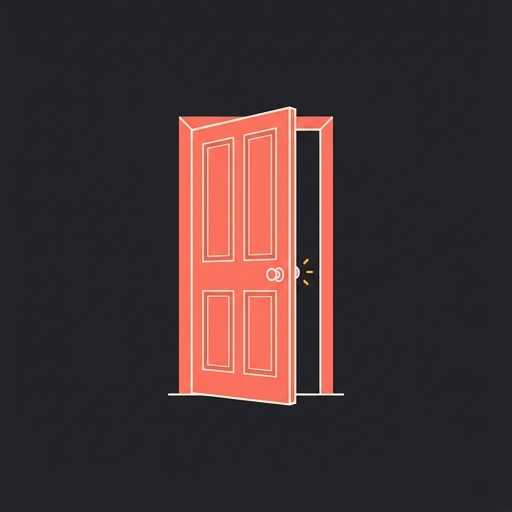
la puerta
door
noun
In a sentence
La puerta está abierta.
The door is open.Use «puerta» for both interior and exterior doors; for a gate or large entrance, Spanish also uses «puerta», so context clarifies.
-

la llave
key
noun
In a sentence
No encuentro la llave de casa.
I can't find the house key.'La llave' refers to a physical key; for a computer keyboard key, Spanish uses 'la tecla'.
-

la luz
light / lamp
noun
In a sentence
Enciende la luz, por favor.
Turn on the light, please.In everyday Spanish, «luz» refers both to the light itself and to the electrical light fixture — you turn on «la luz», not «la lámpara».
-
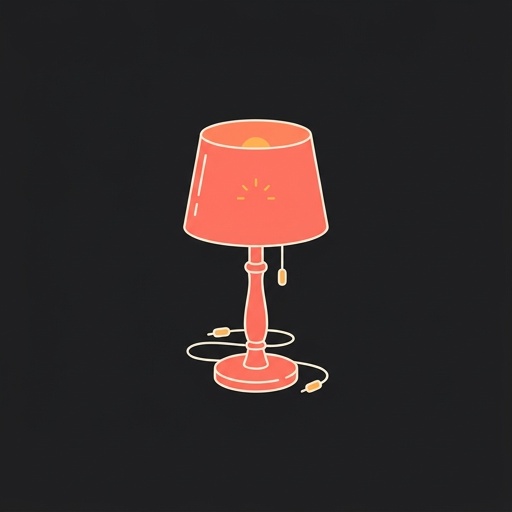
la lámpara
lamp
noun
In a sentence
La lámpara de mi habitación es muy bonita.
The lamp in my room is very pretty.«Lámpara» can refer to a table lamp, floor lamp, or any light fixture — not just a lightbulb (that is «bombilla»).
-
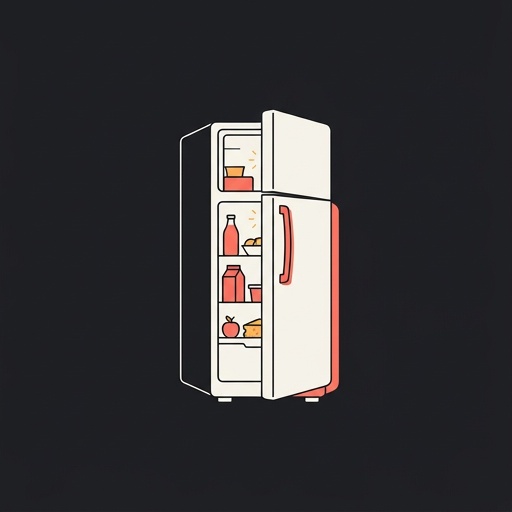
la nevera
fridge
noun
In a sentence
La leche está en la nevera.
The milk is in the fridge.«Nevera» is the everyday word for fridge in Spain; in Latin America you will more often hear «refrigerador» or «heladera».
-

el armario
wardrobe / closet
noun
In a sentence
Mi ropa está en el armario.
My clothes are in the wardrobe.In Spanish «armario» covers both a freestanding wardrobe and a built-in closet — context makes it clear.
-

el espejo
mirror
noun
In a sentence
El espejo está en el baño.
The mirror is in the bathroom.In Spanish, «espejo» is masculine, so use «el espejo» — don't be tempted to say «la espejo».
-

la toalla
towel
noun
In a sentence
La toalla está en el baño.
The towel is in the bathroom.The phrase «tirar la toalla» means 'to throw in the towel' — to give up — just like in English.
-

la ducha
shower
noun
In a sentence
Voy a tomar una ducha antes de salir.
I am going to take a shower before going out.Use «ducha» for the shower unit itself or the act of showering — «tomar una ducha» means 'to take a shower'.
-
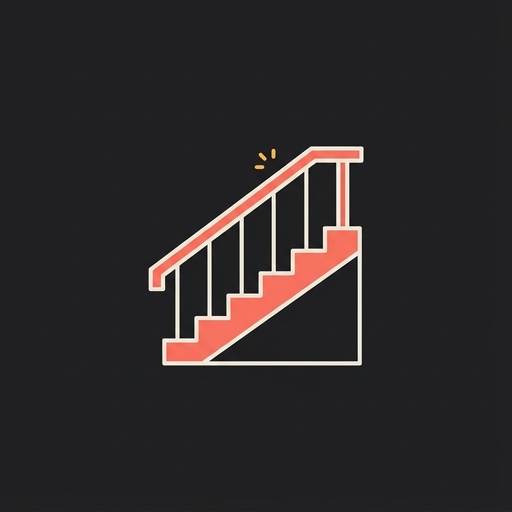
la escalera
stairs / staircase
noun
In a sentence
La escalera está al final del pasillo.
The stairs are at the end of the hallway.Use «escalera» for both a single flight of stairs and the whole staircase; «escalera mecánica» means escalator.
-

la pared
wall
noun
In a sentence
Hay un cuadro en la pared.
There is a picture on the wall.«Pared» refers to an interior wall (inside a building); for an exterior or free-standing wall, Spanish uses «muro».
-

el suelo
floor
noun
In a sentence
El suelo de la cocina está limpio.
The kitchen floor is clean.'El suelo' means the floor inside a building; don't confuse it with 'el techo' (ceiling) or 'la pared' (wall).
-
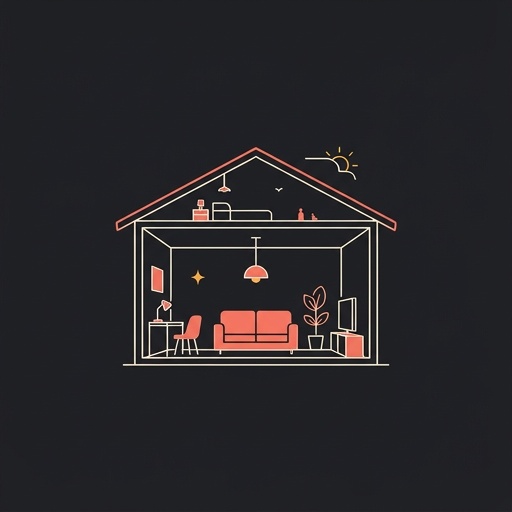
el techo
ceiling / roof
noun
In a sentence
El techo de mi habitación es blanco.
The ceiling of my room is white.«Techo» can mean the ceiling inside a room or the roof of a building — context makes it clear.
-
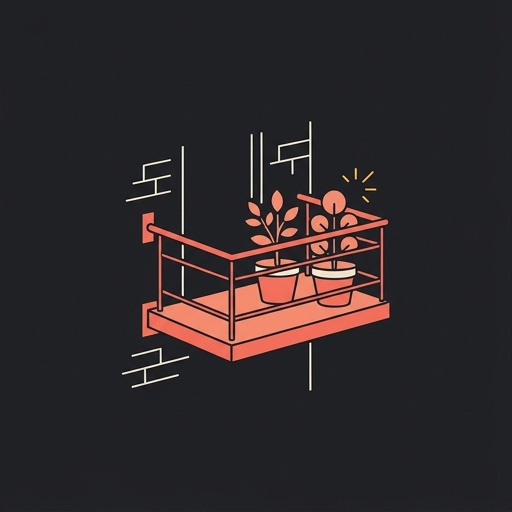
el balcón
balcony
noun
In a sentence
Hay flores en el balcón.
There are flowers on the balcony.In Spanish apartments, «el balcón» typically refers to a small open platform with railings — not a large terrace, which is «la terraza».
-

el jardín
garden
noun
In a sentence
Hay muchas flores en el jardín.
There are many flowers in the garden.In Spanish, «jardín» refers specifically to an ornamental garden with plants and flowers, not a vegetable patch (that is «huerto»).
-
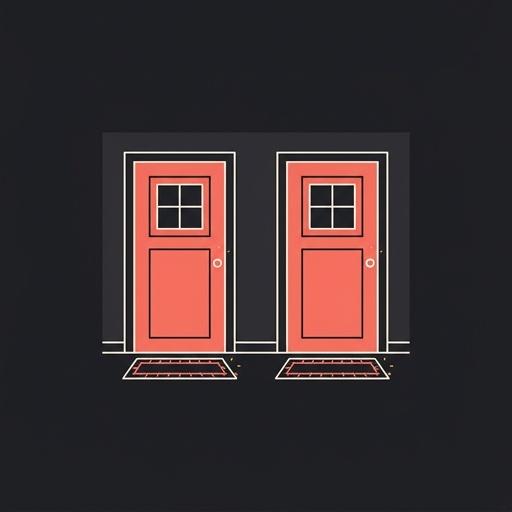
el vecino
neighbour
noun
In a sentence
Mi vecino es muy simpático.
My neighbour is very nice.«Vecino» is masculine and «vecina» is feminine — always match the gender to the person you mean.
-
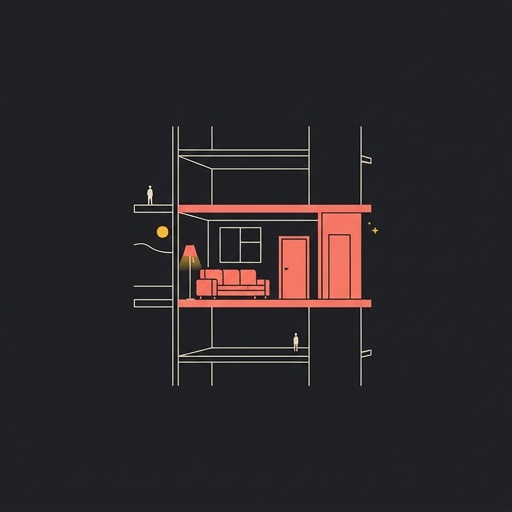
el piso
flat / apartment
noun
In a sentence
Mi piso tiene dos habitaciones.
My flat has two bedrooms.'Piso' is the standard word for a rented or owned apartment in Spain; in Latin America you would hear 'apartamento' or 'departamento' instead.
-
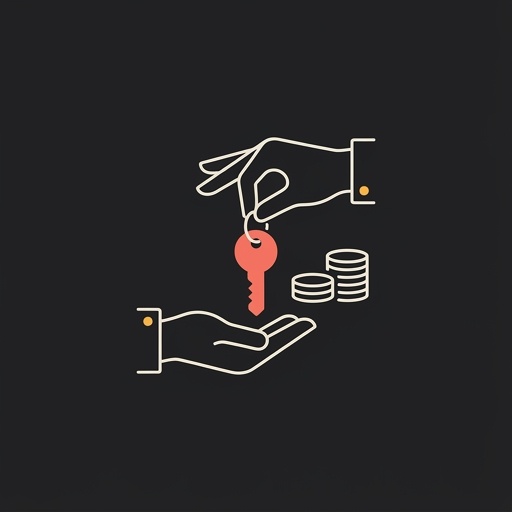
el alquiler
rent
noun
In a sentence
El alquiler de este piso es muy caro.
The rent for this flat is very expensive.Use «el alquiler» for the monthly payment, and «alquilar» for the verb 'to rent'.
-
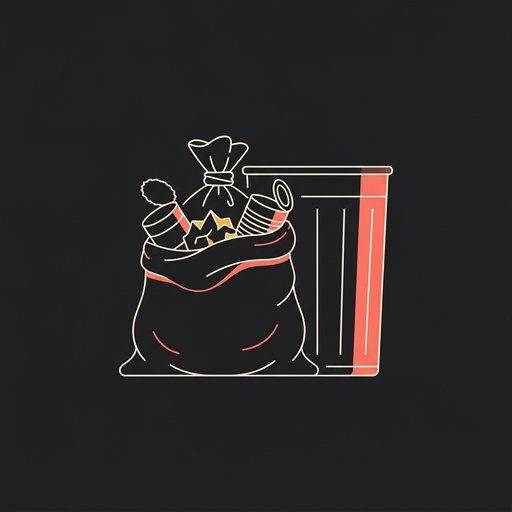
la basura
rubbish / trash
noun
In a sentence
Necesito sacar la basura esta noche.
I need to take out the rubbish tonight.Use «la basura» for household waste in general; the bin itself is «el cubo de la basura».
-

ordenar
to tidy up / to put in order
verb
In a sentence
Voy a ordenar mi habitación ahora.
I am going to tidy up my room now.In a home context, «ordenar» means to tidy or organise things; don't confuse it with 'to order food', which is a different sense of the same verb.
-

encender
to switch on / to turn on
verb
In a sentence
Por favor, enciende la luz del salón.
Please switch on the living room light.Use «encender» for lights and appliances; the opposite is «apagar» (to switch off).
Seeing is step one.
Saying it is the game.
Add “En casa” to your plan — pick, spell or speak each word, and Meloo brings it back right before you'd forget it.