

El cuerpo y la salud
Body and health
Parts of the body and what to say when something hurts — at the pharmacy or the doctor's.
Every word · tap to hear it
-
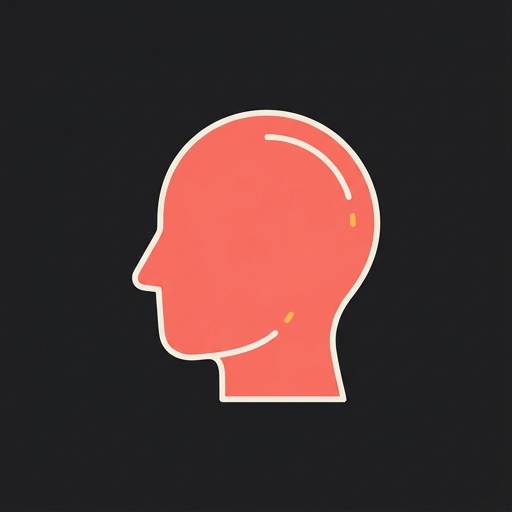
la cabeza
head
noun
In a sentence
Me duele la cabeza.
My head hurts.'Cabeza' is feminine, so use 'la': «la cabeza». It refers to the physical head on the body.
-

la cara
face
noun
In a sentence
Tienes una cara muy bonita.
You have a very pretty face.«Cara» refers to the front of the head; it also appears in common expressions like «cara a cara» (face to face).
-
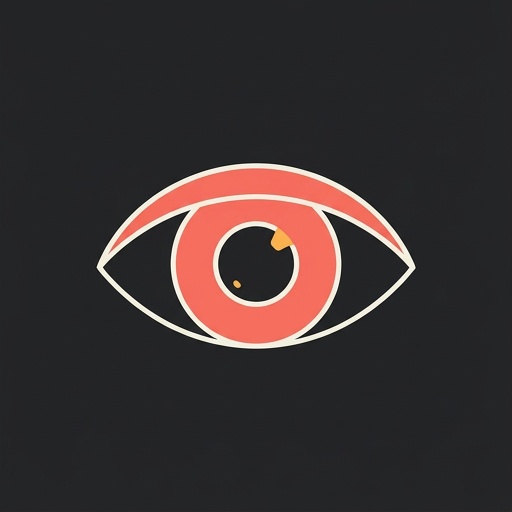
el ojo
eye
noun
In a sentence
Tengo los ojos azules.
I have blue eyes.«Ojo» is masculine, so use «el ojo» (singular) and «los ojos» (plural) — learners often forget the gender.
-

la boca
mouth
noun
In a sentence
Abre la boca, por favor.
Open your mouth, please.A common collocation is «abrir la boca» (to open one's mouth) and «cerrar la boca» (to close one's mouth).
-

la nariz
nose
noun
In a sentence
Me duele la nariz.
My nose hurts.'La nariz' is feminine and singular even though it ends in a consonant — don't forget the article «la».
-
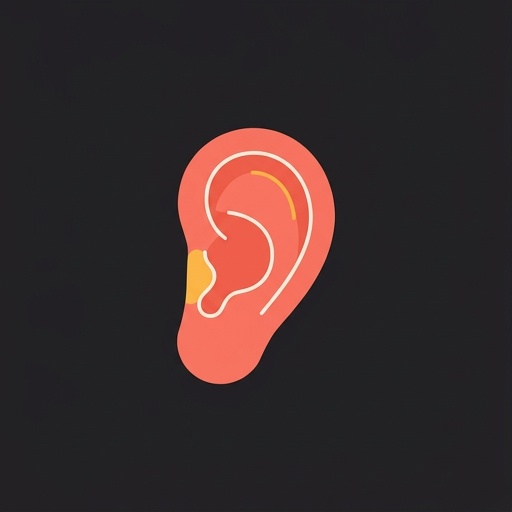
la oreja
ear
noun
In a sentence
Me duele la oreja derecha.
My right ear hurts.'Oreja' refers to the outer ear you can see and touch; the inner ear or ear as a medical concept often uses 'oído'.
-
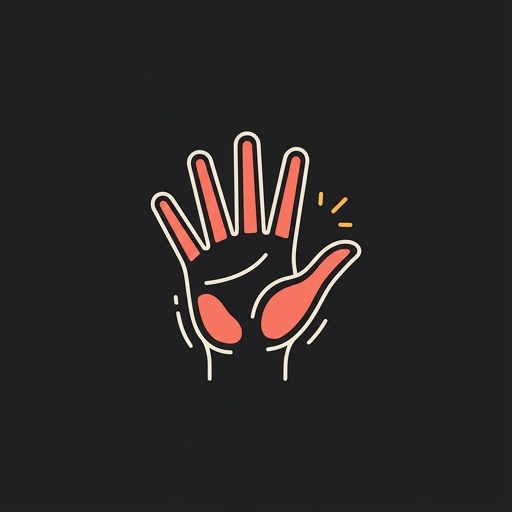
la mano
hand
noun
In a sentence
Levanta la mano si tienes una pregunta.
Raise your hand if you have a question.Although «mano» ends in -o, it is feminine: say «la mano», not «el mano».
-
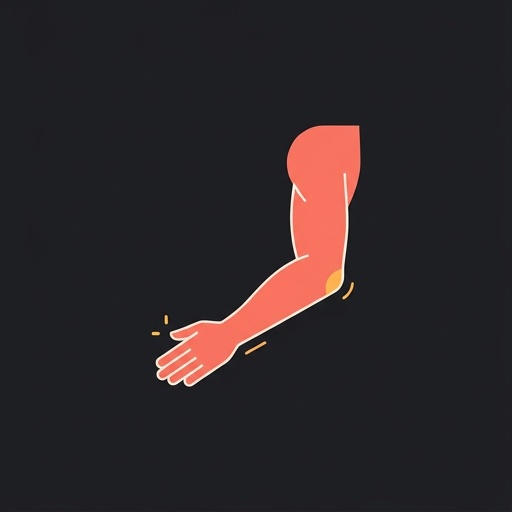
el brazo
arm
noun
In a sentence
Me duele el brazo derecho.
My right arm hurts.«El brazo» refers to the whole arm from shoulder to wrist; the hand is «la mano», a separate word.
-
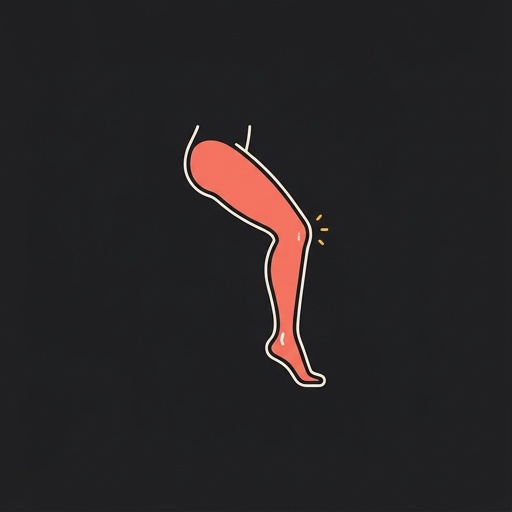
la pierna
leg
noun
In a sentence
Me duele la pierna después de correr.
My leg hurts after running.«Pierna» refers to the whole leg; for the lower leg or shin, Spanish speakers sometimes say «la pantorrilla» (calf) or «la espinilla» (shin).
-
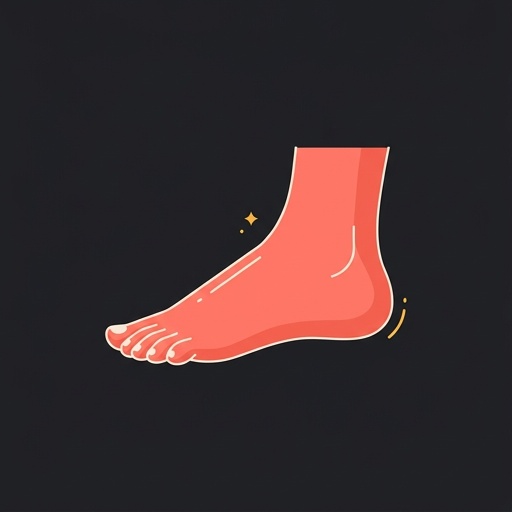
el pie
foot
noun
In a sentence
Me duele el pie derecho.
My right foot hurts.Note that «pie» refers to the body part; don't confuse it with 'pie' the English dessert, which is completely unrelated.
-

la espalda
back
noun
In a sentence
Me duele la espalda.
My back hurts.«Espalda» refers specifically to the back of the body; say «me duele la espalda» for 'my back hurts'.
-
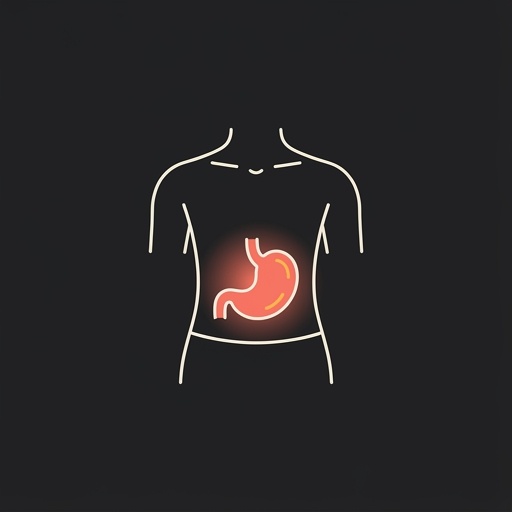
el estómago
stomach
noun
In a sentence
Me duele el estómago.
My stomach hurts.'Estómago' refers to the internal digestive organ; Spanish speakers also use it informally to mean the belly or tummy area.
-
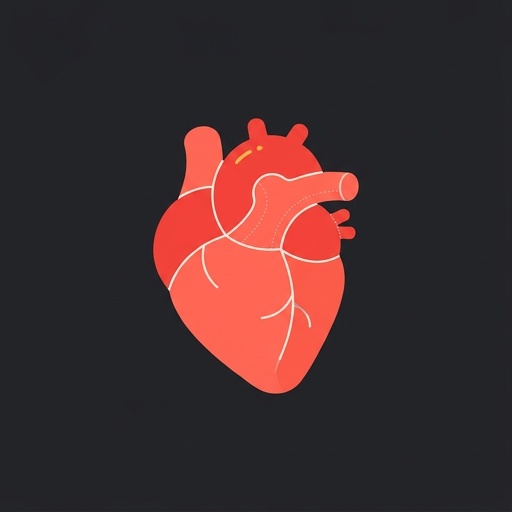
el corazón
heart
noun
In a sentence
El corazón bombea sangre por todo el cuerpo.
The heart pumps blood throughout the body.In medical or body contexts «corazón» refers to the physical organ; it also carries emotional meaning in everyday speech, but here we focus on the body part.
-
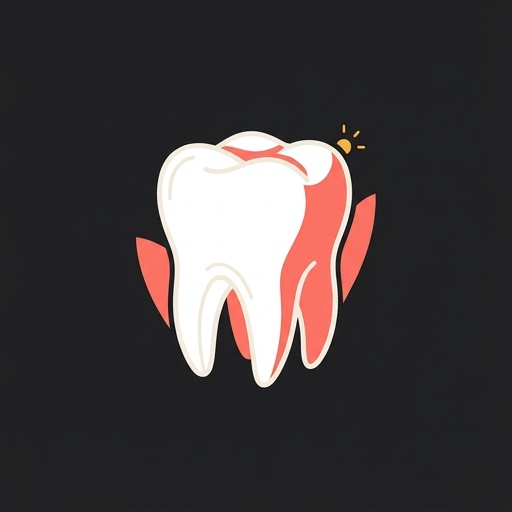
el diente
tooth
noun
In a sentence
Me duele un diente.
One of my teeth hurts.«Diente» refers to a single tooth; the plural «dientes» is used in everyday phrases like «cepillarse los dientes» (to brush one's teeth).
-

el pelo
hair
noun
In a sentence
Tengo el pelo largo.
I have long hair.«Pelo» refers to hair on the head as well as body hair; for a single strand, Spanish also uses «pelo» — it works for both mass and individual hairs.
-
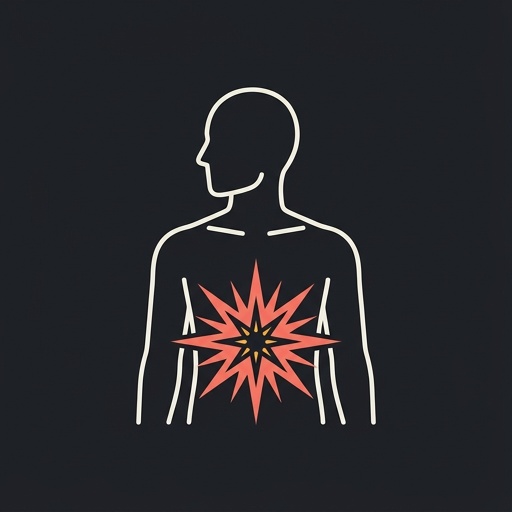
el dolor
pain / ache
noun
In a sentence
Tengo un dolor de cabeza muy fuerte.
I have a very bad headache.Use «dolor de + body part» for specific aches, e.g. «dolor de cabeza» (headache), «dolor de espalda» (backache).
-
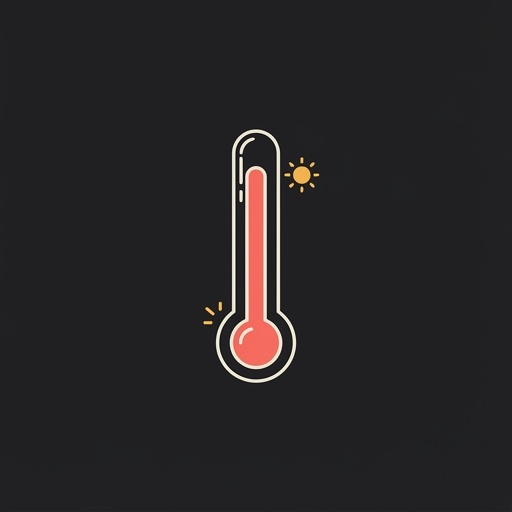
la fiebre
fever
noun
In a sentence
El niño tiene fiebre y está en cama.
The boy has a fever and is in bed.A common collocation is «tener fiebre» (to have a fever); avoid saying «estar fiebre».
-

el resfriado
a cold
noun
In a sentence
Tengo un resfriado y me duele la garganta.
I have a cold and my throat hurts.Use «tener un resfriado» to say you have a cold — for example, 'Tengo un resfriado' is the natural everyday phrase.
-
la tos
cough
noun
In a sentence
Tengo mucha tos desde ayer.
I have had a bad cough since yesterday.'La tos' refers to the symptom (a cough) as well as a single coughing fit; say «tengo tos» (no article) to mean 'I have a cough'.
-
el médico
doctor
noun
In a sentence
El médico me examina.
The doctor examines me.«Médico» refers specifically to a medical doctor; use it instead of the informal 'doctor' when speaking Spanish in formal or clinical contexts.
-
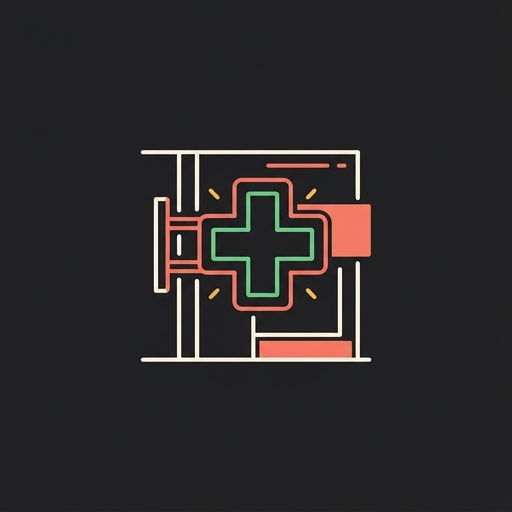
la farmacia
pharmacy / chemist's
noun
In a sentence
Necesito ir a la farmacia a comprar aspirinas.
I need to go to the pharmacy to buy aspirin.In Spain, look for the green illuminated cross — it always marks a «farmacia». In the US say 'pharmacy', in the UK 'chemist's' or 'pharmacy'.
-
la medicina
medicine
noun
In a sentence
El médico me recetó una medicina para la tos.
The doctor prescribed me a medicine for the cough.In Spanish, «medicina» can mean both the substance you take when ill and the field of medical science — context makes it clear.
-

la pastilla
pill / tablet
noun
In a sentence
Tomo una pastilla cada mañana.
I take a pill every morning.«Pastilla» covers both pills and tablets; in a pharmacy context it is the everyday word to use.
-

la cita
appointment
noun
In a sentence
Tengo una cita con el médico mañana.
I have a doctor's appointment tomorrow.In a health context, use «tener una cita» to say you have an appointment, e.g. «Tengo una cita con el médico».
-

doler
to hurt / to ache
verb
In a sentence
Me duele el estómago.
My stomach hurts.'Doler' works like 'gustar': the body part is the subject, so say «me duele la cabeza» (my head hurts), not a direct translation of 'I hurt my head'.
-

enfermarse
to get sick
verb
In a sentence
Me enfermo mucho en invierno.
I get sick a lot in winter.«Enfermarse» is a reflexive verb — always use it with a reflexive pronoun: «me enfermo», «te enfermas», «se enferma».
-
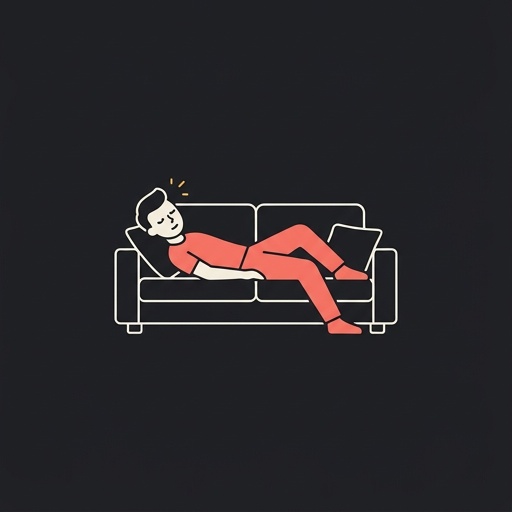
descansar
to rest
verb
In a sentence
Necesito descansar después del trabajo.
I need to rest after work.Often used when recovering from illness or tiredness — e.g. «Necesito descansar» means 'I need to rest'.
-

sano
healthy
adjective
In a sentence
Mi abuelo es muy sano para su edad.
My grandfather is very healthy for his age.«Sano» describes a person, food, or habit that promotes good health — e.g. «una dieta sana» means 'a healthy diet'.
-

mareado
dizzy
adjective
In a sentence
Me siento mareado después de girar tan rápido.
I feel dizzy after spinning so fast.«Mareado» also covers feeling nauseous or seasick, but in a health context it most often means dizzy or lightheaded.
-

me duele la cabeza
I have a headache
expression
In a sentence
Me duele la cabeza. Necesito descansar.
I have a headache. I need to rest.The Spanish structure is literally 'the head hurts me' — the verb «doler» works like «gustar», so the subject is «la cabeza», not 'I'.
Seeing is step one.
Saying it is the game.
Add “El cuerpo y la salud” to your plan — pick, spell or speak each word, and Meloo brings it back right before you'd forget it.