

Cómo me siento
How I feel
Feelings and states — the words you reach for when someone asks how you are.
Every word · tap to hear it
-

cansado
tired
adjective
In a sentence
Estoy muy cansado después del trabajo.
I am very tired after work.Agrees with the subject in gender and number: «cansado» (m), «cansada» (f), «cansados» (m/pl), «cansadas» (f/pl).
-

triste
sad
adjective
In a sentence
Estoy triste hoy.
I am sad today.'Triste' stays the same for masculine and feminine nouns — only changes for plural: «tristes».
-

contento
happy, pleased
adjective
In a sentence
Estoy muy contento hoy.
I am very happy today.Use «estar contento» (not «ser») because it describes a temporary emotional state. The form changes by gender: «contento» for males, «contenta» for females.
-

nervioso
nervous / anxious
adjective
In a sentence
Estoy muy nervioso antes del examen.
I am very nervous before the exam.«Nervioso» agrees with gender and number: say «nerviosa» for a woman, «nerviosos» for a group.
-

aburrido
bored
adjective
In a sentence
Estoy muy aburrido en casa hoy.
I am very bored at home today.Use «aburrido» with «estar» (not «ser») to say you feel bored right now — «ser aburrido» means the person or thing IS boring, not that they feel bored.
-

enfermo
ill / sick
adjective
In a sentence
Hoy no voy al colegio porque estoy enfermo.
Today I am not going to school because I am ill.Use «estar enfermo» (not «ser enfermo») to describe a temporary state of being ill.
-

preocupado
worried
adjective
In a sentence
Estoy muy preocupado por el examen.
I am very worried about the exam.Agrees in gender and number with the noun it describes: «preocupado» (m), «preocupada» (f), «preocupados» (m/pl), «preocupadas» (f/pl).
-

tranquilo
calm / relaxed
adjective
In a sentence
Hoy me siento muy tranquilo.
Today I feel very calm.«Tranquilo» agrees with gender and number: «tranquilo» (m), «tranquila» (f), «tranquilos» (m pl), «tranquilas» (f pl).
-

emocionado
excited / thrilled
adjective
In a sentence
Estoy muy emocionado por mi cumpleaños.
I am very excited about my birthday.«Emocionado» can also mean 'moved' or 'touched' emotionally, so context matters — in everyday speech it most often means excited or thrilled.
-

estresado
stressed
adjective
In a sentence
Estoy muy estresado con el trabajo.
I am very stressed about work.Like Spanish adjectives, «estresado» agrees with gender: say «estresada» for a woman and «estresados» or «estresadas» for groups.
-
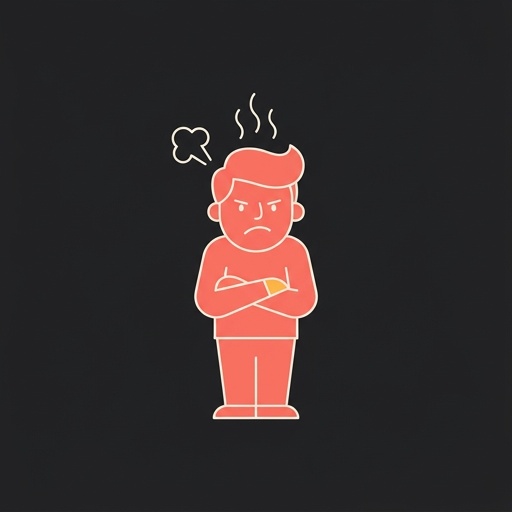
enfadado
angry / annoyed
adjective
In a sentence
Mi hermano está muy enfadado hoy.
My brother is very angry today.In Latin America, speakers usually say «enojado» instead; «enfadado» is the typical Spain form.
-

feliz
happy
adjective
In a sentence
Hoy estoy muy feliz.
Today I am very happy.«Feliz» stays the same for masculine and feminine: «un niño feliz», «una niña feliz» — only the plural changes to «felices».
-
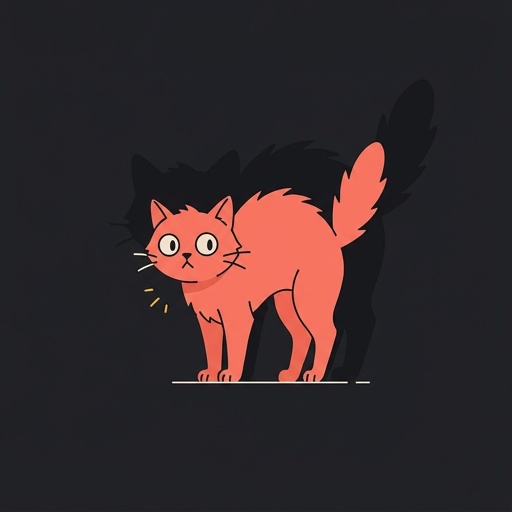
asustado
scared / frightened
adjective
In a sentence
El niño está asustado por la tormenta.
The boy is scared because of the storm.«Asustado» agrees with gender and number: say «asustada» for a woman or girl, «asustados» for a group.
-

sorprendido
surprised
adjective
In a sentence
Estoy muy sorprendido por tu regalo.
I am very surprised by your gift.Like many Spanish adjectives, «sorprendido» changes ending to agree with gender: «sorprendido» (male), «sorprendida» (female).
-

relajado
relaxed
adjective
In a sentence
Hoy estoy muy relajado en casa.
Today I am very relaxed at home.Like many Spanish adjectives, «relajado» changes ending to agree with gender: «relajado» (male), «relajada» (female).
-

ocupado
busy
adjective
In a sentence
Hoy estoy muy ocupado con el trabajo.
Today I am very busy with work.In Spanish, «ocupado» also means 'occupied' or 'taken' (e.g. a seat or toilet), so context matters.
-

solo
alone / lonely
adjective
In a sentence
Me siento sola en casa.
I feel lonely at home.'Solo' agrees with gender and number: «solo» (m), «sola» (f), «solos» (mpl), «solas» (fpl).
-

orgulloso
proud
adjective
In a sentence
Estoy muy orgulloso de mi familia.
I am very proud of my family.Agree the ending with the subject: «orgulloso» for masculine, «orgullosa» for feminine — e.g. 'Estoy orgullosa de ti.'
-

avergonzado
embarrassed / ashamed
adjective
In a sentence
Estoy avergonzada porque llegué tarde a clase.
I am embarrassed because I arrived late to class.The form changes with gender: «avergonzado» for males, «avergonzada» for females — always match the subject.
-

agotado
exhausted
adjective
In a sentence
Después del trabajo, estoy completamente agotado.
After work, I am completely exhausted.«Agotado» agrees with gender and number: a woman says «Estoy agotada», a man says «Estoy agotado».
-

animado
upbeat / in good spirits
adjective
In a sentence
Hoy me siento muy animado.
Today I feel very upbeat.«Animado» agrees with gender and number: «animada» for a woman, «animados» for a group.
-

confundido
confused
adjective
In a sentence
Estoy confundido con las instrucciones.
I am confused by the instructions.As an adjective it agrees with gender and number: «confundido» (m), «confundida» (f), «confundidos» (m pl), «confundidas» (f pl).
-
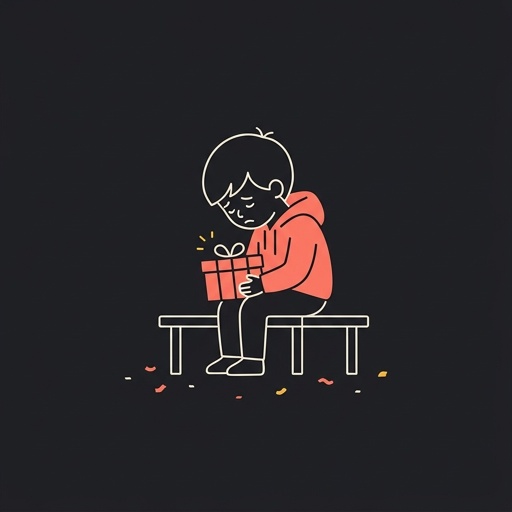
decepcionado
disappointed
adjective
In a sentence
Estoy muy decepcionado con el resultado.
I am very disappointed with the result.Agrees with gender and number: «decepcionado» (male), «decepcionada» (female), «decepcionados/as» (plural).
-
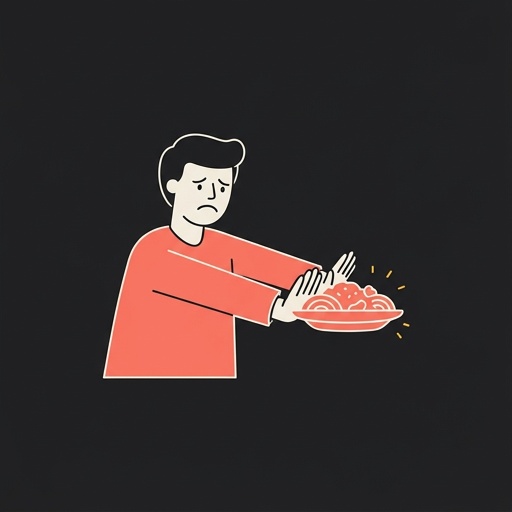
harto
fed up
adjective
In a sentence
Estoy harto de esperar.
I am fed up with waiting.Always used with «estar», not «ser»: «estar harto de algo» means to be fed up with something.
-

tener hambre
to be hungry
expression
In a sentence
Tengo mucha hambre. ¿Podemos comer ya?
I am very hungry. Can we eat already?In Spanish, hunger is something you 'have' («tener»), not something you 'are' — never say «estar hungry» or translate word-for-word from English.
-

tener sed
to be thirsty
expression
In a sentence
Tengo mucha sed después de correr.
I am very thirsty after running.In Spanish, thirst is something you 'have' — use «tener sed», not a verb like 'to feel'. Say «Tengo sed» for 'I am thirsty'.
-
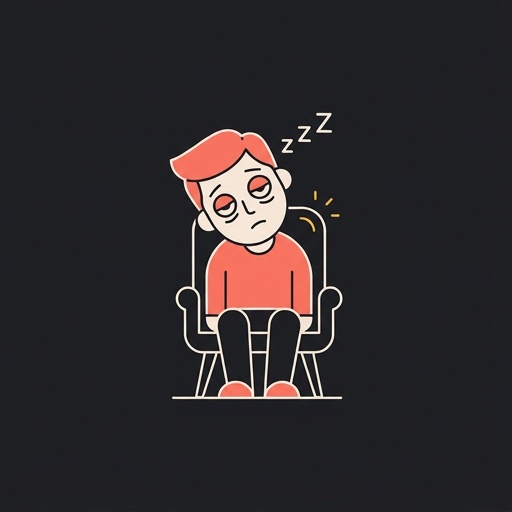
tener sueño
to be sleepy
expression
In a sentence
Tengo mucho sueño esta noche.
I am very sleepy tonight.In Spanish, sleepiness is expressed with «tener» (to have), not «ser» or «estar» — say «tengo sueño», never «estoy soñoliento» in everyday speech.
-

tener frío
to be cold (feeling cold)
expression
In a sentence
Tengo mucho frío. ¿Puedes cerrar la ventana?
I am very cold. Can you close the window?In Spanish, use «tener frío» (literally 'to have cold') — never «ser» or «estar frío», which describe an object's temperature, not a person's feeling.
-

tener calor
to be hot
expression
In a sentence
Tengo mucho calor hoy.
I am very hot today.In Spanish, use «tener calor» (literally 'to have heat') — never «ser» or «estar caliente», which means something else entirely.
-

tener miedo
to be afraid
expression
In a sentence
Tengo miedo de la oscuridad.
I am afraid of the dark.In Spanish, fear is expressed with «tener» (to have), not «ser» or «estar» — say «tengo miedo», not «estoy miedo».
Seeing is step one.
Saying it is the game.
Add “Cómo me siento” to your plan — pick, spell or speak each word, and Meloo brings it back right before you'd forget it.