

Comida y bebida
Food and drink
What's on the table — the food and drink words you use every single day.
Every word · tap to hear it
-

el pan
bread
noun
In a sentence
Quiero pan con mantequilla, por favor.
I want bread with butter, please.«Pan» refers to bread in general — a loaf, a roll, or sliced bread; use «una barra de pan» for a baguette-style loaf.
-

el agua
water
noun
In a sentence
Quiero un vaso de agua, por favor.
I want a glass of water, please.Although «agua» is feminine, it takes the article «el» in the singular (el agua) to avoid two 'a' sounds clashing — but adjectives stay feminine: «el agua fría».
-

el café
coffee
noun
In a sentence
Quiero un café con leche, por favor.
I want a coffee with milk, please.In Spanish, «café» refers both to the drink and the coffee bean; in everyday speech it most often means the drink.
-

la leche
milk
noun
In a sentence
Me gusta la leche con el café.
I like milk with coffee.The common collocation is «leche entera» (whole milk), «leche desnatada» (skimmed milk) — always feminine in Spanish.
-

el huevo
egg
noun
In a sentence
Quiero un huevo frito para el desayuno.
I want a fried egg for breakfast.The plural «huevos fritos» means fried eggs — a very common breakfast item in Spanish-speaking countries.
-

el queso
cheese
noun
In a sentence
Me gusta mucho el queso.
I really like cheese.«Queso» is masculine, so use «el queso» and «un queso».
-
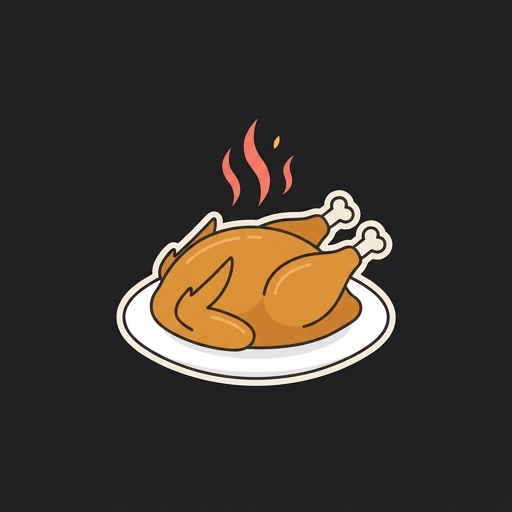
el pollo
chicken
noun
In a sentence
Hoy comemos pollo con arroz.
Today we are eating chicken with rice.'Pollo' refers to the meat; a live chicken is also 'pollo' (or 'gallina' for a hen), but in a food context it always means the meat.
-
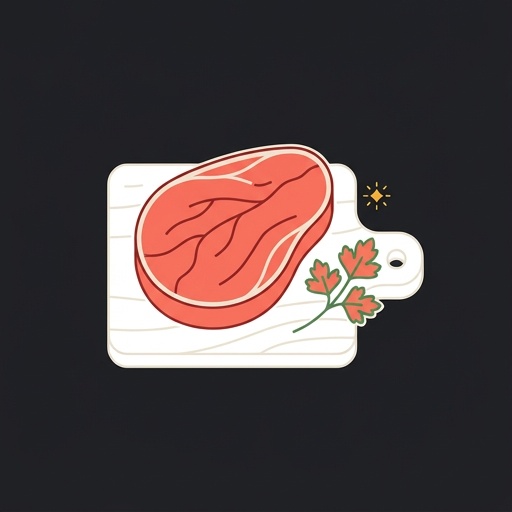
la carne
meat
noun
In a sentence
Quiero carne con patatas para cenar.
I want meat with potatoes for dinner.'Carne' refers to meat in general; say 'carne de res' for beef, 'carne de cerdo' for pork.
-

el pescado
fish
noun
In a sentence
Me gusta mucho el pescado con limón.
I really like fish with lemon.'Pescado' means fish as food (on your plate); the living animal in water is 'el pez'.
-
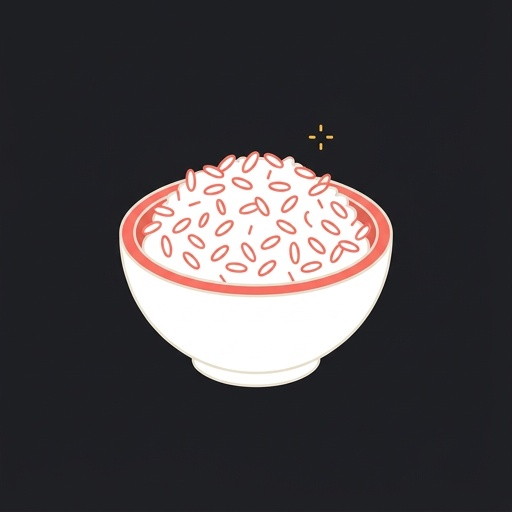
el arroz
rice
noun
In a sentence
Me gusta mucho el arroz con verduras.
I really like rice with vegetables.«Arroz» is masculine, so use «el arroz» and «el arroz está listo» — not «la arroz».
-
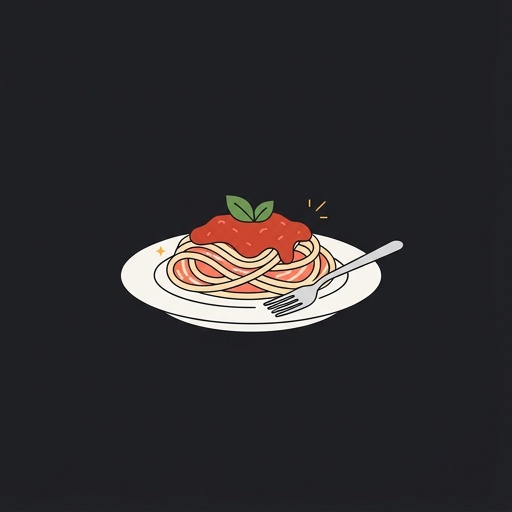
la pasta
pasta
noun
In a sentence
Me gusta mucho la pasta con tomate.
I really like pasta with tomato sauce.In Spanish, «pasta» refers to the food made from dough (spaghetti, penne, etc.) — the same as in English, so no false-friend issue here.
-
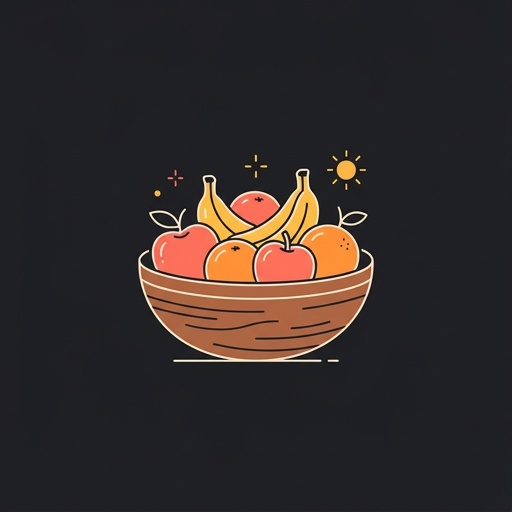
la fruta
fruit
noun
In a sentence
Me gusta mucho la fruta fresca.
I really like fresh fruit.In Spanish, «fruta» refers to fruit as food you eat; the botanical category is «fruto». «Fruta» is uncountable in general statements, just like in English.
-

la manzana
apple
noun
In a sentence
Quiero una manzana roja, por favor.
I want a red apple, please.«Manzana» also means 'city block' in Latin America, but in a food context it always means the fruit.
-
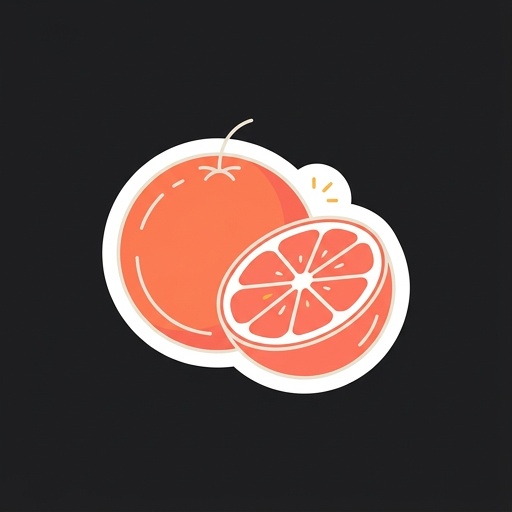
la naranja
orange
noun
In a sentence
Me como una naranja cada mañana.
I eat an orange every morning.In Spanish, «naranja» is also used as an adjective meaning the colour orange — it never changes form: «un jersey naranja», «una camisa naranja».
-
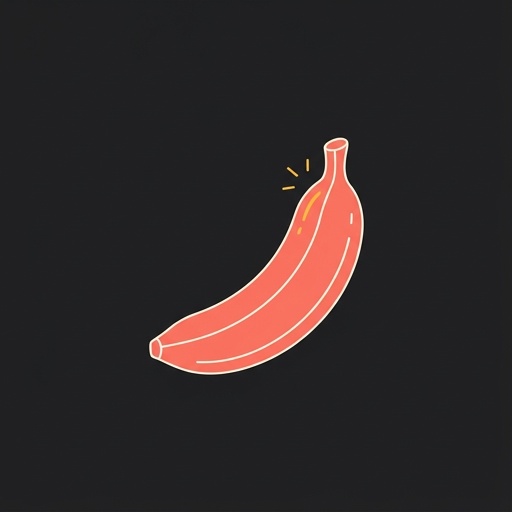
el plátano
banana
noun
In a sentence
Me como un plátano cada mañana.
I eat a banana every morning.In Spain «plátano» is the standard word for banana; in Latin America you may also hear «banana» or «banano» depending on the country.
-
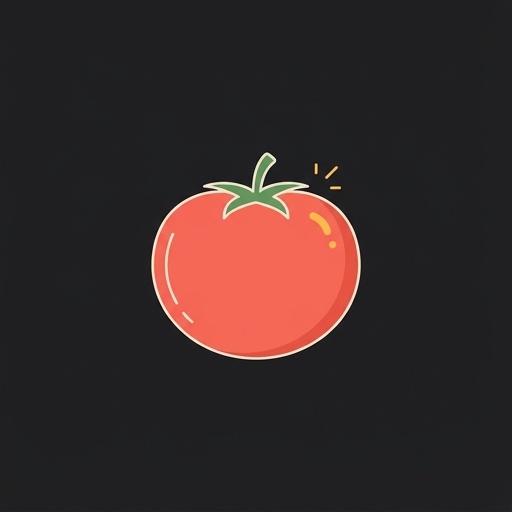
el tomate
tomato
noun
In a sentence
Me gusta el tomate en la ensalada.
I like tomato in the salad.In Spanish, «tomate» is masculine, so use «el tomate» and «un tomate».
-

la patata
potato
noun
In a sentence
Quiero patatas fritas con la hamburguesa.
I want chips / fries with the burger.In Spain the word is «patata»; in Latin America «papa» is used instead.
-
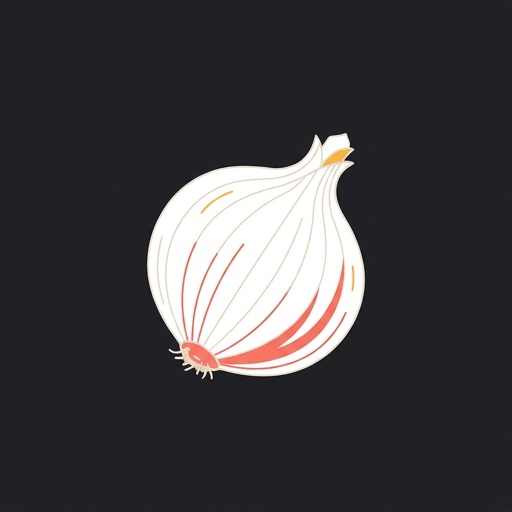
la cebolla
onion
noun
In a sentence
Necesito una cebolla para la sopa.
I need an onion for the soup.A feminine noun — always use «la cebolla» or «una cebolla».
-
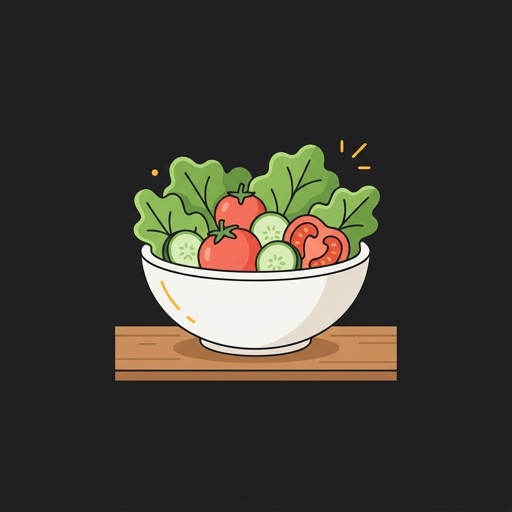
la ensalada
salad
noun
In a sentence
Quiero una ensalada con tomate y lechuga.
I want a salad with tomato and lettuce.In Spain, «ensalada mixta» (mixed salad with lettuce, tomato, and onion) is the most common restaurant staple.
-
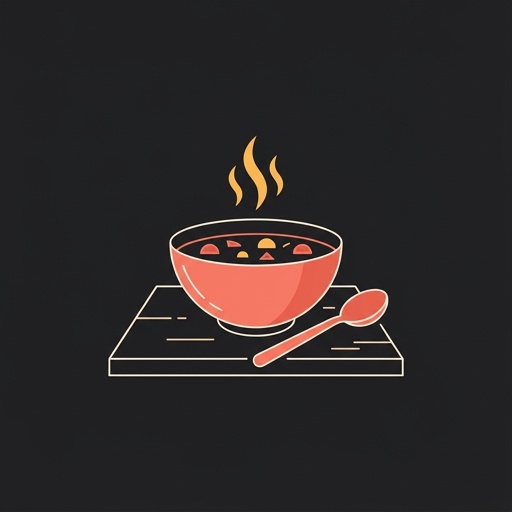
la sopa
soup
noun
In a sentence
La sopa está muy caliente.
The soup is very hot.'La sopa' is always feminine in Spanish — say 'la sopa caliente', not 'el sopa'.
-

el azúcar
sugar
noun
In a sentence
¿Quieres azúcar en el café?
Do you want sugar in the coffee?«Azúcar» is grammatically feminine in most contexts (la azúcar), but it commonly takes the masculine article in the singular (el azúcar) — both are accepted.
-

la sal
salt
noun
In a sentence
¿Me pasas la sal, por favor?
Can you pass me the salt, please?«La sal» is feminine — say «la sal» not «el sal». A handy collocation: «echar sal» means to add or sprinkle salt.
-
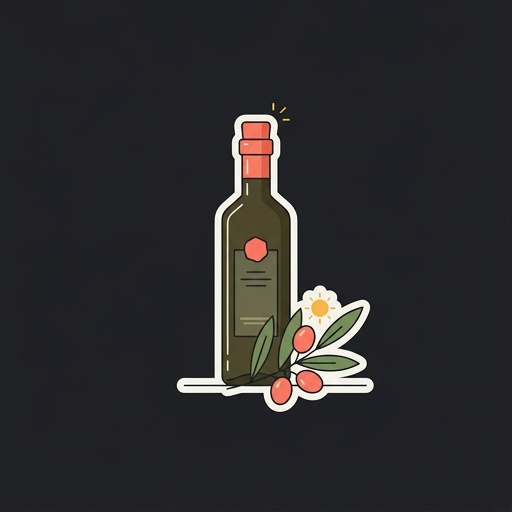
el aceite
oil (olive oil)
noun
In a sentence
Añade un poco de aceite a la ensalada.
Add a little oil to the salad.In Spanish cooking contexts, «aceite» almost always means olive oil; say «aceite de oliva» to be specific or «aceite vegetal» for vegetable oil.
-

el vino
wine
noun
In a sentence
Quiero un vaso de vino tinto, por favor.
I want a glass of red wine, please.«Vino» is masculine, so use «el vino» (not «la vino»). Common collocations: «vino tinto» (red wine), «vino blanco» (white wine).
-

la cerveza
beer
noun
In a sentence
Quiero una cerveza fría, por favor.
I want a cold beer, please.«Cerveza» is the general word for beer; in a bar you can ask for «una caña» (a small draught beer) or «una cerveza de botella» (a bottled beer).
-
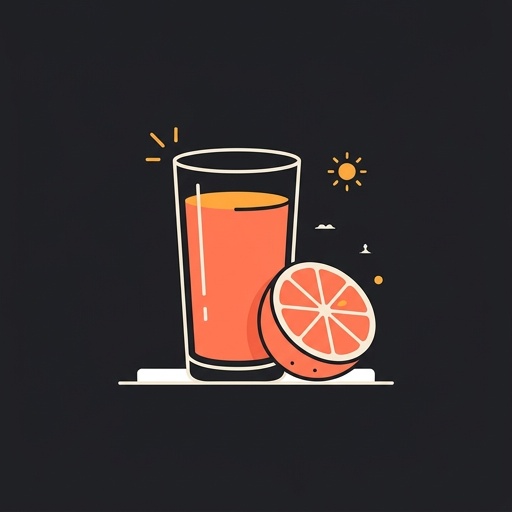
el zumo
juice
noun
In a sentence
Quiero un zumo de naranja, por favor.
I want an orange juice, please.«Zumo» is the standard word in Spain; in Latin America «jugo» is used instead.
-
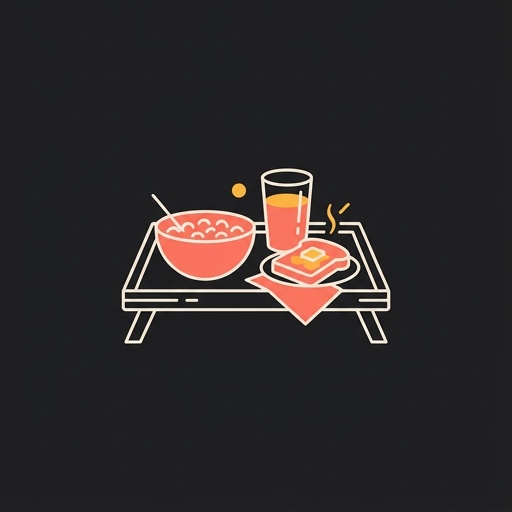
el desayuno
breakfast
noun
In a sentence
El desayuno está listo.
Breakfast is ready.Use «desayunar» (the verb) when you want to say 'to have breakfast': «Voy a desayunar a las ocho».
-
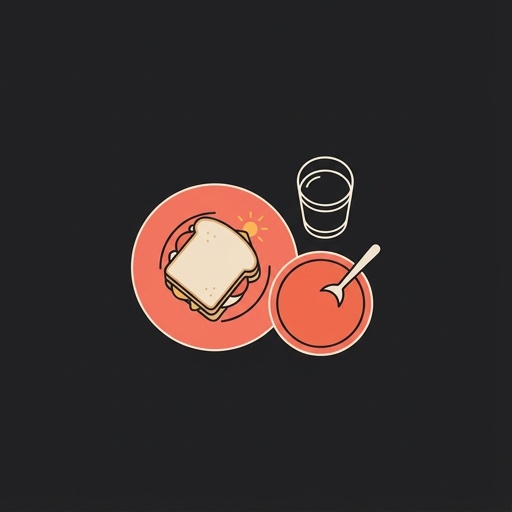
el almuerzo
lunch
noun
In a sentence
El almuerzo está listo.
Lunch is ready.In Spain, «almuerzo» is the main meal of the day, typically eaten between 2 and 3 p.m. — much later than a typical English lunch.
-

la cena
dinner
noun
In a sentence
La cena está lista.
Dinner is ready.In Spain and Latin America, «cena» is typically the evening meal, eaten late — often after 9 pm in Spain.
-

el postre
dessert
noun
In a sentence
De postre tenemos flan o helado.
For dessert we have flan or ice cream.«El postre» refers to the sweet course eaten at the end of a meal — say «de postre» to mean 'for dessert'.
Seeing is step one.
Saying it is the game.
Add “Comida y bebida” to your plan — pick, spell or speak each word, and Meloo brings it back right before you'd forget it.