
Adjetivos básicos
Basic adjectives
The opposites you describe everything with — big and small, new and old, easy and hard.
Every word · tap to hear it
-

grande
big / large
adjective
In a sentence
Mi perro es muy grande.
My dog is very big.Before a singular noun «grande» shortens to «gran», meaning 'great' rather than 'big', e.g. «un gran hombre» (a great man).
-

pequeño
small
adjective
In a sentence
Mi perro es muy pequeño.
My dog is very small.«Pequeño» agrees in gender and number with the noun it describes: «un perro pequeño», «una casa pequeña».
-

nuevo
new
adjective
In a sentence
Tengo un móvil nuevo.
I have a new mobile phone.«Nuevo» agrees in gender and number with the noun it describes: «un coche nuevo», «una casa nueva», «unos zapatos nuevos».
-
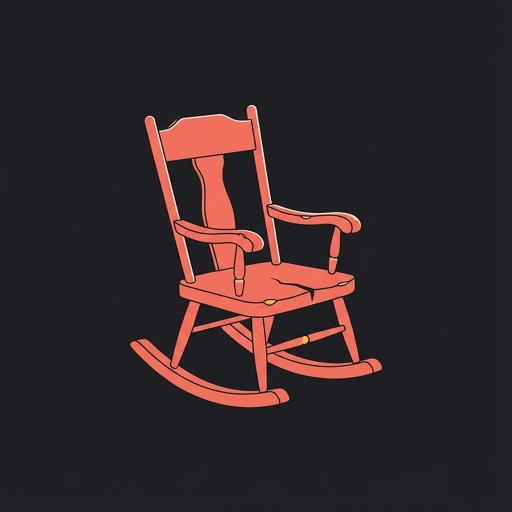
viejo
old
adjective
In a sentence
Este edificio es muy viejo.
This building is very old.«Viejo» agrees in gender and number with the noun it describes: «viejo», «vieja», «viejos», «viejas».
-

bueno
good
adjective
In a sentence
Este libro es muy bueno.
This book is very good.Before a masculine singular noun, «bueno» shortens to «buen»: 'buen amigo', not 'bueno amigo'.
-

malo
bad
adjective
In a sentence
Este queso está malo, no lo comas.
This cheese is bad, don't eat it.Before a masculine singular noun, «malo» shortens to «mal» — e.g. «un mal día» (a bad day).
-
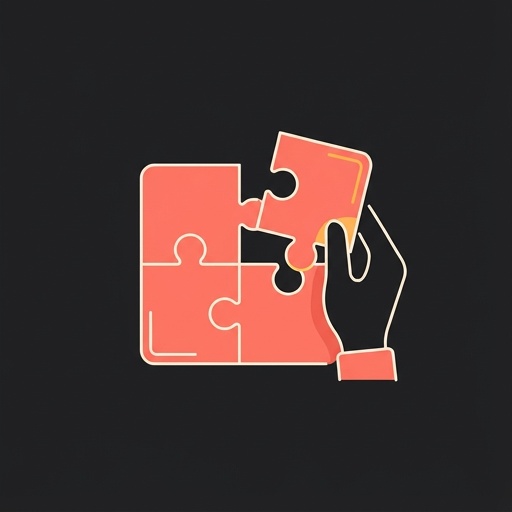
fácil
easy
adjective
In a sentence
Esta tarea es muy fácil.
This task is very easy.«Fácil» stays the same for masculine and feminine nouns: «un ejercicio fácil», «una tarea fácil».
-

difícil
difficult
adjective
In a sentence
Este ejercicio es muy difícil.
This exercise is very difficult.«Difícil» stays the same for masculine and feminine nouns — only changes for plural: «difíciles».
-

rápido
fast
adjective
In a sentence
El tren es muy rápido.
The train is very fast.«Rápido» agrees with the noun it describes: «un coche rápido» (m.) but «una respuesta rápida» (f.).
-
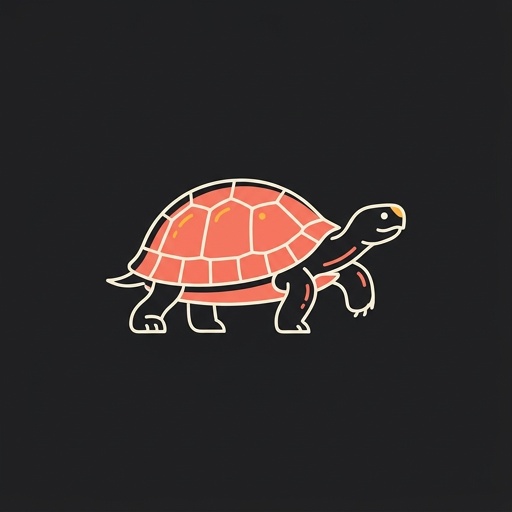
lento
slow
adjective
In a sentence
El tren es muy lento hoy.
The train is very slow today.«Lento» agrees with the noun it describes: «un coche lento», «una tortuga lenta».
-

bonito
pretty / nice
adjective
In a sentence
Qué vestido tan bonito.
What a pretty dress.'Bonito' agrees with the noun it describes: «un día bonito» (m.) but «una flor bonita» (f.).
-
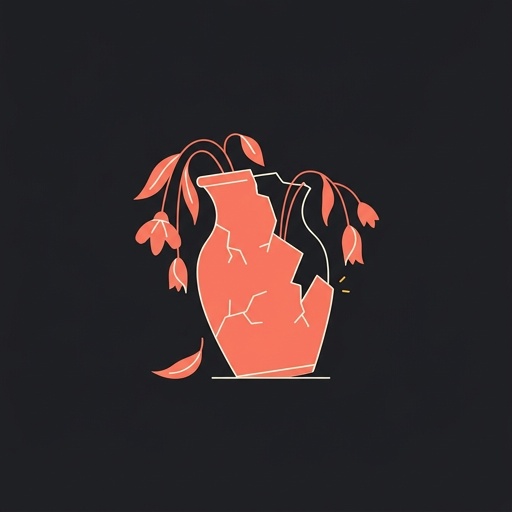
feo
ugly
adjective
In a sentence
Este edificio es muy feo.
This building is very ugly.«Feo» agrees with the noun it describes: «un edificio feo» but «una casa fea».
-

limpio
clean
adjective
In a sentence
La cocina está muy limpia.
The kitchen is very clean.«Limpio» agrees with the noun it describes: «el plato limpio», «la ropa limpia».
-
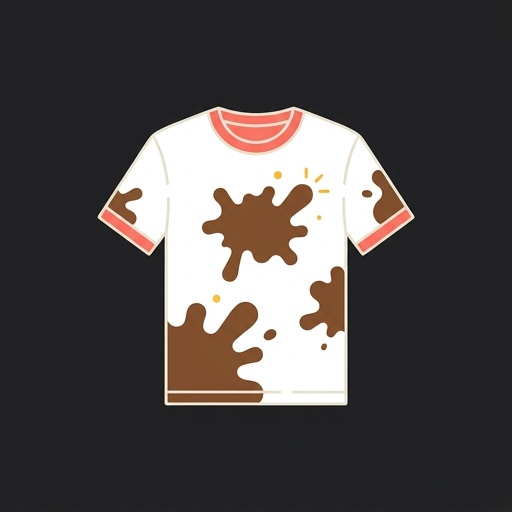
sucio
dirty
adjective
In a sentence
El perro está muy sucio después de jugar en el parque.
The dog is very dirty after playing in the park.«Sucio» agrees with the noun it describes: «un plato sucio» (m.) but «una camisa sucia» (f.).
-

caliente
hot
adjective
In a sentence
El café está muy caliente.
The coffee is very hot.Use «caliente» for the temperature of objects or liquids, not for weather — for hot weather say «hace calor».
-

frío
cold
adjective
In a sentence
El agua está muy fría.
The water is very cold.«Frío» agrees with the noun it describes: «un día frío» (m.), «una bebida fría» (f.).
-

lleno
full
adjective
In a sentence
El vaso está lleno de agua.
The glass is full of water.«Lleno» agrees in gender and number with the noun it describes: «el vaso lleno», «la bolsa llena», «los platos llenos».
-
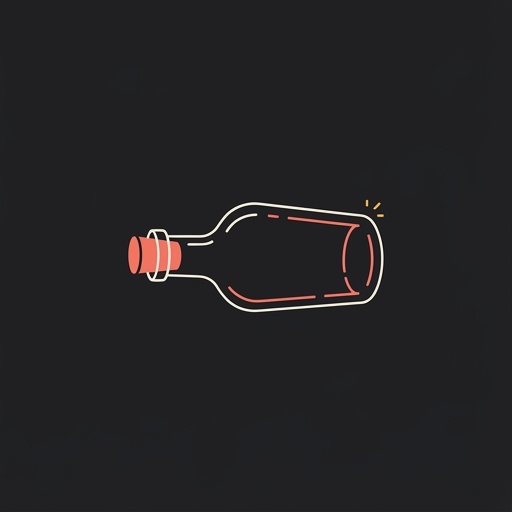
vacío
empty
adjective
In a sentence
El vaso está vacío.
The glass is empty.«Vacío» agrees with the noun it describes: «el vaso vacío», «la caja vacía».
-
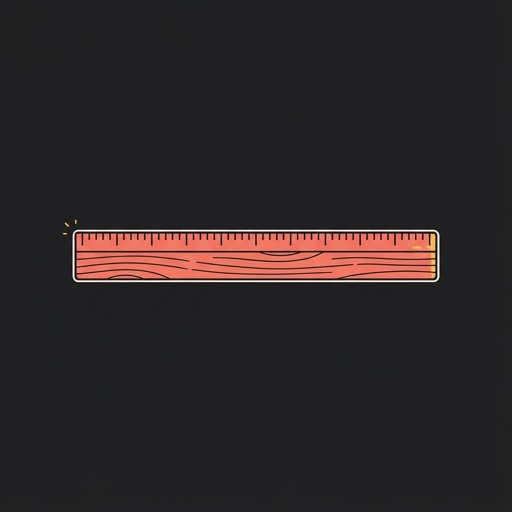
largo
long
adjective
In a sentence
El río es muy largo.
The river is very long.Watch out: «largo» is a false friend — it does NOT mean 'large'. Use it only for length, not size.
-

corto
short
adjective
In a sentence
El lápiz es muy corto.
The pencil is very short.'Corto' refers to physical length or duration; for height of a person, Spanish uses 'bajo', not 'corto'.
-

alto
tall / high
adjective
In a sentence
Mi hermano es muy alto.
My brother is very tall.Use «alto» for both people and objects: «un hombre alto» (a tall man) or «una montaña alta» (a high mountain).
-
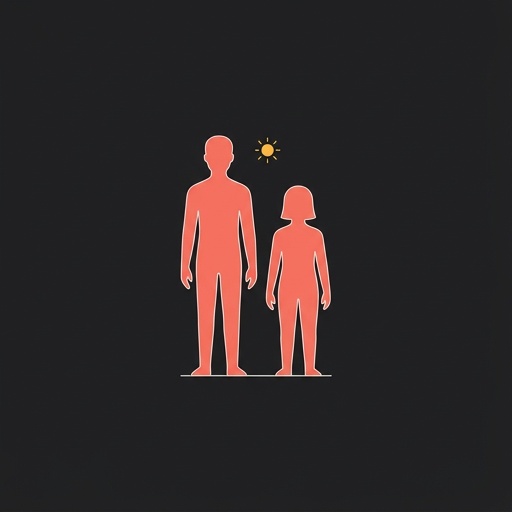
bajo
short / low
adjective
In a sentence
Mi hermano es muy bajo para su edad.
My brother is very short for his age.Use «bajo» for both a person's short height and a low position or level; it agrees in gender and number, e.g. «una silla baja» (a low chair).
-

barato
cheap
adjective
In a sentence
Este mercado es muy barato.
This market is very cheap.«Barato» agrees with the noun it describes: «un libro barato», «una camisa barata».
-

caro
expensive
adjective
In a sentence
Este abrigo es muy caro.
This coat is very expensive.Watch out: «caro» can also mean 'dear' as a term of endearment in literary Spanish, but in everyday speech it almost always means expensive.
-

fuerte
strong
adjective
In a sentence
Mi padre es muy fuerte.
My father is very strong.'Fuerte' stays the same for masculine and feminine nouns: 'un hombre fuerte', 'una mujer fuerte'.
-

débil
weak
adjective
In a sentence
El bebé es muy débil todavía.
The baby is still very weak.«Débil» agrees in gender and number with the noun it describes: «un niño débil», «una señal débil», «señales débiles».
-
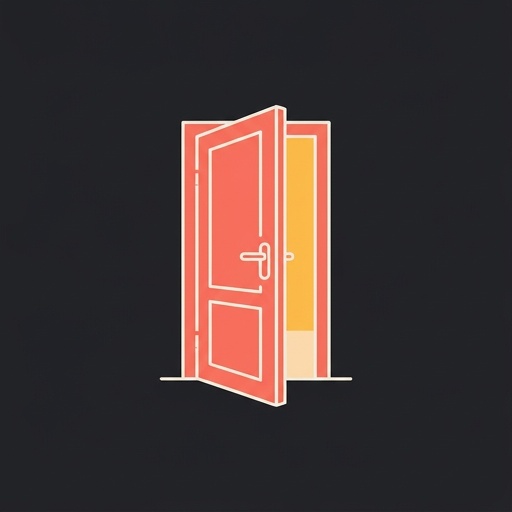
abierto
open
adjective
In a sentence
La tienda está abierta.
The shop is open.'Abierto' agrees with the noun it describes: «la ventana está abierta», «los libros están abiertos».
-
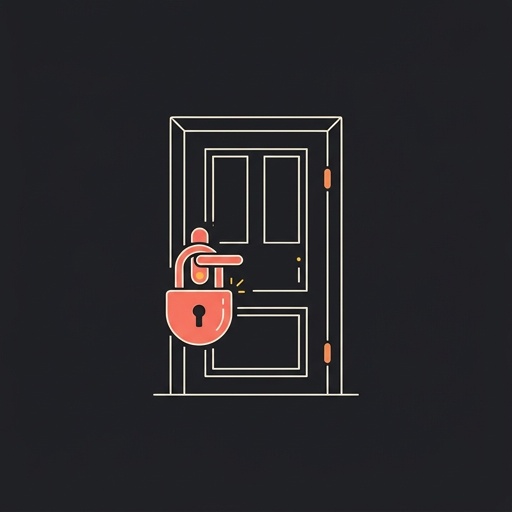
cerrado
closed
adjective
In a sentence
La puerta está cerrada.
The door is closed.«Cerrado» agrees with the noun it describes: «el restaurante está cerrado», «la tienda está cerrada».
-

importante
important
adjective
In a sentence
Esta reunión es muy importante.
This meeting is very important.«importante» does not change form for masculine or feminine — «un tema importante», «una reunión importante».
-
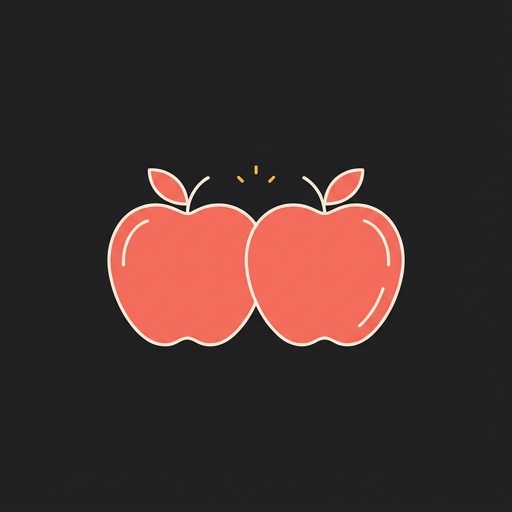
mismo
same
adjective
In a sentence
Vivimos en la misma calle.
We live on the same street.«Mismo» agrees in gender and number with the noun it modifies: «el mismo libro», «la misma idea», «los mismos amigos».
Seeing is step one.
Saying it is the game.
Add “Adjetivos básicos” to your plan — pick, spell or speak each word, and Meloo brings it back right before you'd forget it.