Song guide
A Dios Le Pido
Juanes
A Dios Le Pido by Juanes, line by line: what the lyrics mean, 23 expressions explained and 453 words translated with their grammar. Learn Spanish from the song, free.
Lyrics with English translation, line by line
Each line as sung, what it means, and — where it needs one — why it's said that way.
-
Que mis ojos se despierten con la luz de tu mirada, yo
May my eyes awaken to the light of your gaze, I
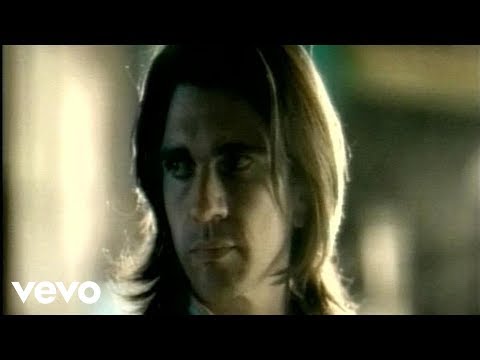
This song is 'A Dios le pido' by Colombian singer-songwriter Juanes, released in 2002 on his album 'Un día normal'. It became one of the best-selling Latin singles of the 2000s and won multiple Grammy awards.
-
A Dios le pido
I ask God
-
Que mi madre no se muera y que mi padre me recuerde
May my mother not die, and may my father remember me
The personal references to his mother and father suggest the song draws on Juanes's own family experiences. The fear of losing a parent and the wish to be remembered are universal themes that resonated widely with audiences across Latin America.
-
A Dios le pido
I ask God
-
Que te quedes a mi lado y que más nunca te me vayas, mi vida
Stay by my side and never leave me again, my love
'mi vida' as a term of endearment is extremely common across Latin America and Spain. It reflects a cultural tendency to use words for precious things (life, sky, heart, soul) as affectionate addresses to loved ones.
-
A Dios le pido
I ask God
-
Que mi alma no descanse cuando de amarte se trate, mi cielo
May my soul never rest when it comes to loving you, my darling
'mi cielo' ('my sky/heaven') as a term of endearment is used throughout the Spanish-speaking world. In this song, Juanes uses both 'mi vida' and 'mi cielo' to address his beloved, a stylistic choice that elevates the emotional register.
-
A Dios le pido
I ask God
-
Por los días que me quedan, y las noches que aún no llegan, yo
For the days I have left, and the nights that are yet to come, I
-
A Dios le pido
I ask God
-
Por los hijos de mis hijos y los hijos de tus hijos
For my children's children and your children's children
-
A Dios le pido
I ask God
-
Que mi pueblo no derrame tanta sangre y se levante mi gente
May my people not shed so much blood, and may my people rise up
This line reflects the social and political violence that plagued Colombia during the late 1990s and early 2000s, particularly the armed conflict involving guerrilla groups, paramilitaries, and drug cartels. Juanes has been a prominent advocate for peace in Colombia.
-
A Dios le pido
I ask God
-
Que mi alma no descanse cuando de amarte se trate, mi cielo
May my soul never rest when it comes to loving you, my darling
-
A Dios le pido
I ask God
-
Un segundo más de vida para darte
One more second of life to give you
-
Y mi corazón entero entregarte
And to give you my whole heart
-
Un segundo más de vida para darte
One more second of life to give you
-
Y a tu lado para siempre yo quedarme
And to stay by your side forever
-
Un segundo más de vida, yo
One more second of life, I
-
A Dios le pido
I ask God
-
Que si me muero sea de amor
If I die, let it be from love
-
Y si me enamoro sea de vos
And if I fall in love, let it be with you
'vos' instead of 'tú' is a hallmark of Rioplatense Spanish (used in Argentina and Uruguay) and also common in Colombia, where Juanes is from. In Colombia, voseo (using vos) is especially prevalent in the Antioquia region, Juanes's home region.
-
Y que de tu voz sea este corazón
And may this heart be yours through your voice
-
Todos los días a Dios le pido
Every day I ask God
-
Que si me muero sea de amor
If I die, let it be from love
-
Y si me enamoro sea de vos
And if I fall in love, let it be with you
-
Y que de tu voz sea este corazón
And may this heart be yours through your voice
-
Todos los días a Dios le pido
Every day I ask God
-
A Dios le pido
I ask God
-
Que mis ojos se despierten con la luz de tu mirada, yo
May my eyes awaken to the light of your gaze, I
-
A Dios le pido
I ask God
-
Que mi madre no se muera y que mi padre me recuerde
May my mother not die, and may my father remember me
-
A Dios le pido
I ask God
-
Que te quedes a mi lado y que más nunca te me vayas, mi vida
Stay by my side and never leave me again, my love
-
A Dios le pido
I ask God
-
Que mi alma no descanse cuando de amarte se trate, mi cielo
May my soul never rest when it comes to loving you, my darling
-
A Dios le pido
I ask God
-
Un segundo más de vida para darte
One more second of life to give you
-
Y mi corazón entero entregarte
And to give you my whole heart
-
Un segundo más de vida para darte
One more second of life to give you
-
Y a tu lado para siempre yo quedarme
And to stay by your side forever
-
Un segundo más de vida, yo
One more second of life, I
-
A Dios le pido
I ask God
-
Que si me muero sea de amor
If I die, let it be from love
-
Y si me enamoro sea de vos
And if I fall in love, let it be with you
-
Y que de tu voz sea este corazón
And may this heart be yours through your voice
-
Todos los días a Dios le pido
Every day I ask God
-
Que si me muero sea de amor
If I die, let it be from love
-
Y si me enamoro sea de vos
And if I fall in love, let it be with you
-
Y que de tu voz sea este corazón
And may this heart be yours through your voice
-
Todos los días a Dios le pido
Every day I ask God
-
Que si me muero sea de amor
If I die, let it be from love
-
Y si me enamoro sea de vos
And if I fall in love, let it be with you
-
Y que de tu voz sea este corazón
And may this heart be yours through your voice
-
Todos los días a Dios le pido
Every day I ask God
-
Que si me muero sea de amor
If I die, let it be from love
-
Y si me enamoro sea de vos
And if I fall in love, let it be with you
-
Y que de tu voz sea este corazón
And may this heart be yours through your voice
-
Todos los días, yo
Every day, I
-
A Dios le pido
I ask God
Expressions and idioms in “A Dios Le Pido”
The lines that don't mean what the dictionary says.
- se despierten they awaken / they wake up
- despertar used reflexively (despertarse) means 'to wake up' on one's own; the plain form despertar means 'to wake someone else up'. The reflexive se signals the subject acts upon itself.
- con la luz de tu mirada to the light of your gaze
- The preposition con ('with') here expresses the means or accompaniment by which the eyes awaken — a poetic usage where English would say 'to' or 'in'. Note also that mirada (from mirar, 'to look') is a nominalised verb meaning 'the act of looking / gaze', a common Spanish pattern.
- A Dios le pido I ask God
- This is the Spanish indirect-object construction: the noun Dios is preceded by the personal 'a' (required before a specific person as direct or indirect object), and le is a redundant indirect-object pronoun that duplicates Dios. This double-marking of the indirect object is standard in Spanish.
- me recuerde remember me
- recordar + indirect object pronoun (me) means 'to remember someone'. The me here is an indirect object ('remember me'), not a reflexive. Compare recordarse de, which means 'to remember' in some dialects.
- no se muera may she not die
- morirse (reflexive) is the standard way to express dying in Spanish; the plain morir exists but morirse is far more common in everyday speech. The reflexive se is part of the verb's meaning, not a separate action.
- más nunca te me vayas never leave me again
- más nunca is a Latin American Spanish intensifier meaning 'never again' (equivalent to nunca más in Spain). te me vayas uses irse (reflexive of ir) in the subjunctive; the double pronoun te me signals that the leaving affects the speaker ('you leave on me'). This ethical dative construction (me) adds emotional weight — it is not translatable word-for-word.
- te quedes a mi lado you stay by my side
- quedarse (reflexive) means 'to stay / to remain', a meaning-shift from plain quedar ('to be left over' or 'to arrange to meet'). The phrase a mi lado ('at my side') is a fixed locative expression for 'beside me / by my side'.
- mi vida my love
- vida literally means 'life', but as a term of endearment it functions like 'my love' or 'my darling' in English. This is a common affectionate address in Spanish-speaking cultures.
- mi cielo my darling
- cielo literally means 'sky' or 'heaven', but as a term of endearment it is equivalent to 'my darling' or 'my sweetheart' in English. It is widely used across Spanish-speaking countries.
- cuando de amarte se trate when it comes to loving you
- tratarse de is a fixed reflexive construction meaning 'to be about / to concern'. It requires the preposition de before the topic. The full pattern is 'cuando se trate de + infinitive', meaning 'whenever it is a matter of doing something'.
- los días que me quedan the days I have left
- quedar (non-reflexive) here means 'to remain / to be left'. The construction 'me quedan X días' is the standard Spanish way to say 'I have X days left' — the subject is the days, not the person, so the verb agrees with días (plural).
- los hijos de mis hijos my children's children
- Spanish expresses possession with de rather than an apostrophe-s. 'los hijos de mis hijos' literally means 'the children of my children', i.e. grandchildren. This de + noun chain is the standard possessive structure in Spanish.
- se levante mi gente may my people rise up
- levantarse (reflexive) means 'to rise up / to stand up', a meaning-shift from plain levantar ('to lift / to raise something'). In political or social contexts, levantarse carries the sense of a people rising in resistance or dignity.
- para darte in order to give you
- para + infinitive expresses purpose ('in order to do something'). darte is dar ('to give') with the 2nd-person clitic te attached to the infinitive — a common Spanish pattern where object pronouns attach to infinitives.
- entregarte to give you / to hand over to you
- entregar means 'to hand over / to deliver / to give'. With the clitic te attached, it becomes 'to give to you'. In a romantic context, entregar el corazón ('to give one's heart') is a fixed poetic expression for total devotion.
- para siempre forever
- para siempre is the standard fixed expression for 'forever / for always'. para here expresses duration extending into the future, not purpose.
- a tu lado para siempre yo quedarme to stay by your side forever
- quedarme is quedarse ('to stay/remain') in infinitive form with the 1st-person reflexive clitic me attached. The word order is inverted for lyrical effect — standard prose would be 'quedarme a tu lado para siempre'. para siempre is the fixed phrase for 'forever'.
- sea de amor let it be from love
- sea is the present subjunctive of ser ('to be'), used here to express a wish or desire. The construction 'que sea de + noun' means 'may it be from/of + noun'. de amor indicates the cause or origin.
- me muero I die
- morirse (reflexive) is the everyday Spanish way to say 'to die'. The reflexive me intensifies the personal nature of the action. In colloquial speech, me muero de can also mean 'I am dying of' (e.g. me muero de risa = 'I am dying of laughter').
- me enamoro I fall in love
- enamorarse is a reflexive verb meaning 'to fall in love'. The plain form enamorar means 'to make someone fall in love (with something/someone)'. The reflexive me changes the meaning entirely — the subject falls in love themselves.
- sea de vos let it be with you
- enamorarse de is the fixed verb-preposition construction meaning 'to fall in love with'. Spanish uses de where English uses 'with' after enamorarse. vos is the 2nd-person singular pronoun used in Rioplatense Spanish (Argentina, Uruguay) instead of tú.
- de tu voz sea este corazón may this heart be yours through your voice
- This is a poetic inversion of standard word order. The normal order would be 'que este corazón sea de tu voz'. Fronting 'de tu voz' gives it emphasis. ser de + noun expresses belonging or ownership in Spanish ('to belong to').
- todos los días every day
- todos los días is the standard Spanish expression for 'every day'. todos ('all') + definite article los + días ('days') together form this fixed time expression. It cannot be shortened to *todo el día, which means 'all day long' (a single day).
Vocabulary to learn from “A Dios Le Pido”
The words the song uses most.
- Dios God noun ·21
- pedir I ask / I request verb ·21
- ser be / let it be verb ·18
- morir die verb ·8
- la vida life / love (term of endearment) noun ·8
- el corazón heart noun ·8
- los días days noun ·7
- el segundo second noun ·6
- el amor love noun ·6
- enamorarse I fall in love verb ·6
- la voz voice noun ·6
- quedarse stay / remain verb ·4
Verbs in the song, and the form being sung
Present tense for each; the highlighted row is the one you'll hear.
pedir I ask / I request
| yo | pido |
|---|---|
| tú | pides |
| él / ella / usted | pide |
| nosotros | pedimos |
| vosotros | pedís |
| ellos / ustedes | piden |
ser be / let it be
| yo | soy |
|---|---|
| tú | eres |
| él / ella / usted | es |
| nosotros | somos |
| vosotros | sois |
| ellos / ustedes | son |
morir die
| yo | muero |
|---|---|
| tú | mueres |
| él / ella / usted | muere |
| nosotros | morimos |
| vosotros | morís |
| ellos / ustedes | mueren |
enamorarse I fall in love
| yo | me enamoro |
|---|---|
| tú | te enamoras |
| él / ella / usted | se enamora |
| nosotros | nos enamoramos |
| vosotros | os enamoráis |
| ellos / ustedes | se enamoran |
quedarse stay / remain
| yo | me quedo |
|---|---|
| tú | te quedas |
| él / ella / usted | se queda |
| nosotros | nos quedamos |
| vosotros | os quedáis |
| ellos / ustedes | se quedan |
Grammar you'll meet in this song
- Present subjunctive36
- Present35